Accomplishments
Experience: Lab Technician, Vet Technician, and Extension Agent.
Skills: Agricultural development and positive youth development.
Previous degrees: Master of Education from the University of Arizona, and Bachelor of Applied Science from Colorado State University.
The Basics
Expertise: Agricultural Education and Ag Extension
Title: Ph.D. Candidate
Institution: Texas Tech University
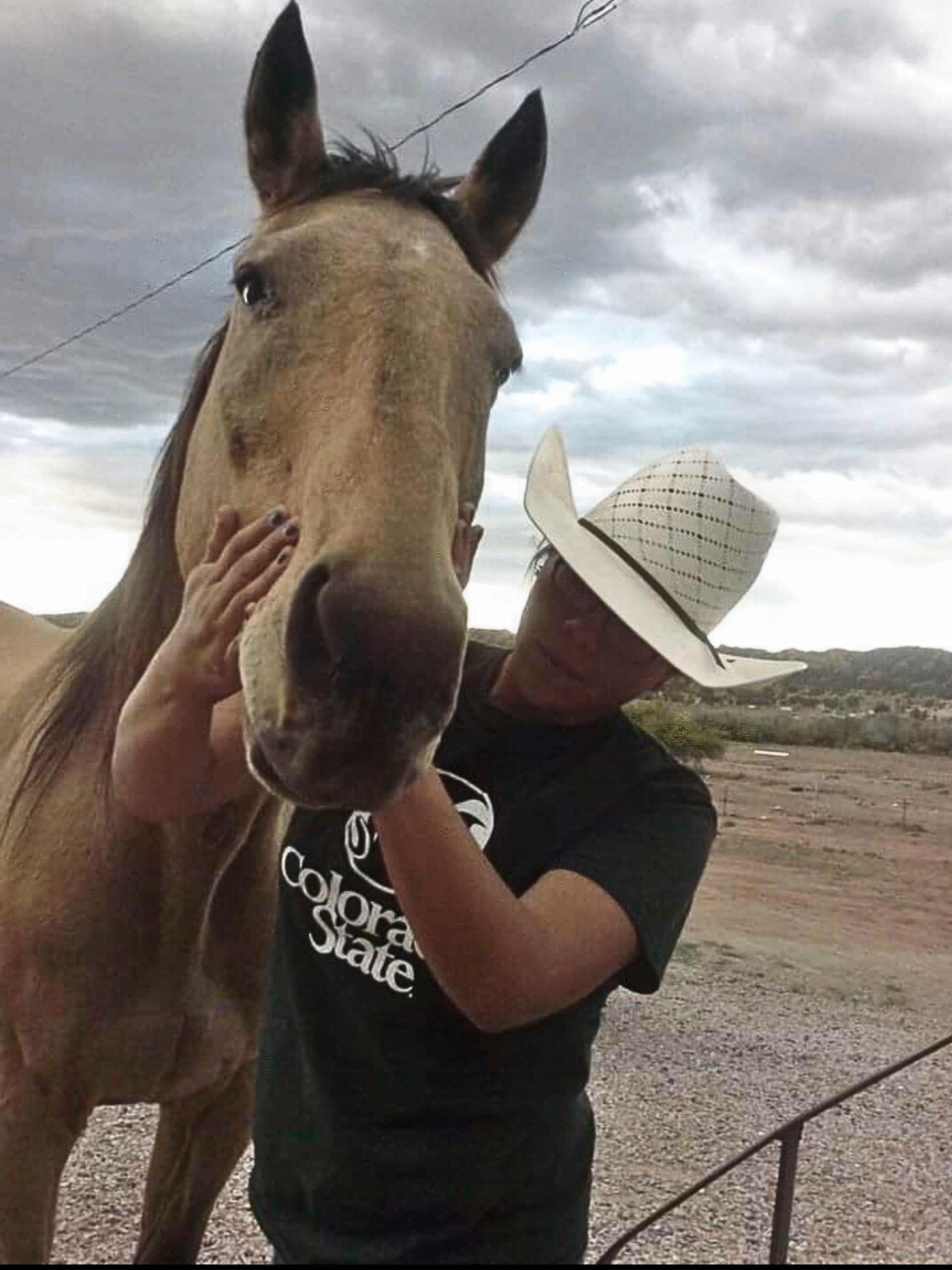
Ya’ah’teeh, my name is Kristy Kinlicheenie, and I am part of the Navajo tribe from Northern Arizona. I am Honaghaahnii, born in Tlogi; my maternal grandfather is Tlizilani, and my paternal grandfather is Ta’neeszahnii. I am from Hunters Point, Arizona, where I reside with my husband Korwin and our two sons Kasen and Taylor.
Where I've Been
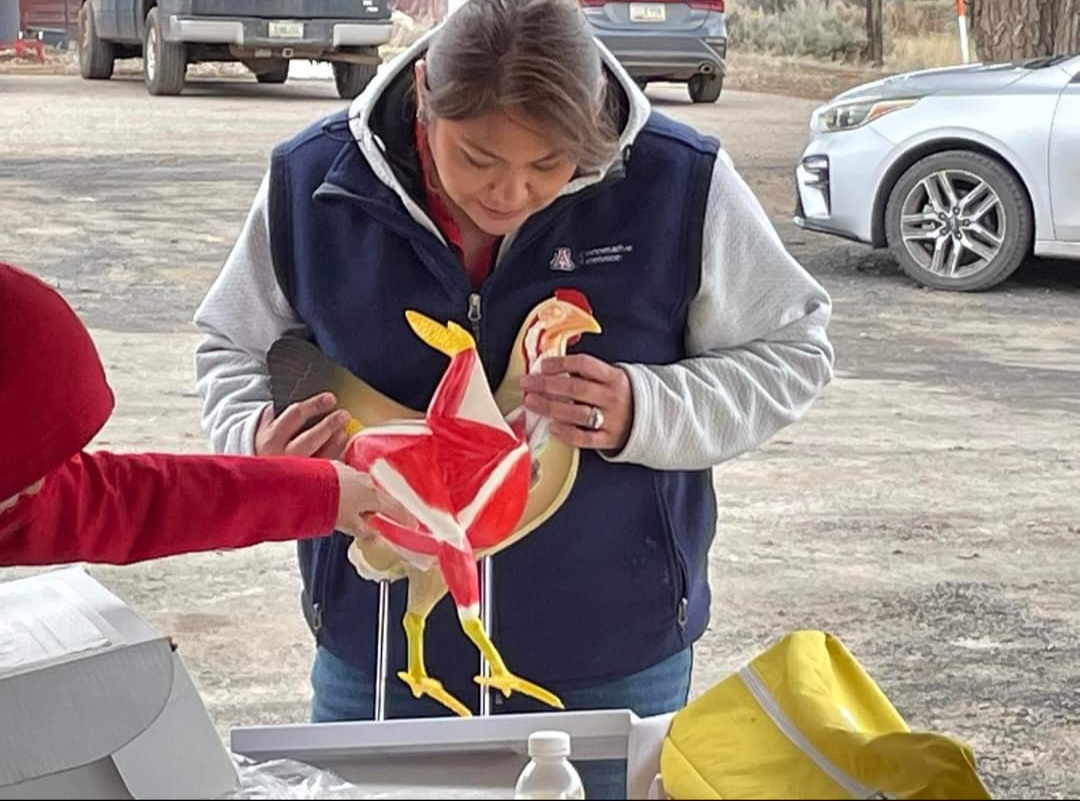
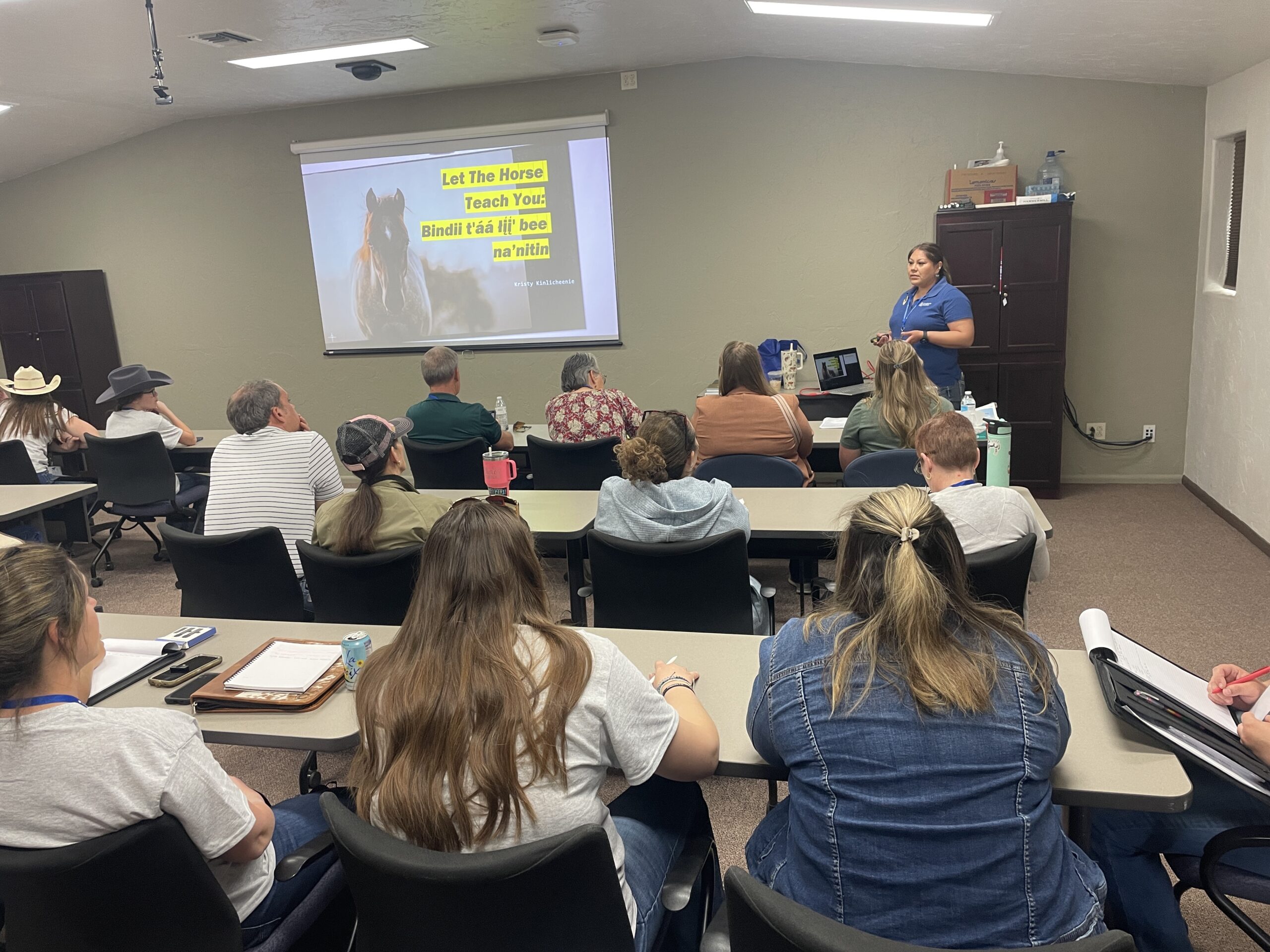
I have had the privilege of working with the University of Arizona Cooperative Extension since 2016. My primary focus within extension is agriculture, the 4-H program, and other youth development areas. I started my educational career at a Tribal college called Navajo Technical University, where I obtained an Associate of Science in Veterinary Technology in 2012. After, I received a Bachelor of Science in Equine Science from Colorado State University in 2015.
What I'm Doing
Recently, I received my Master of Science in Agriculture Extension Education from the University of Arizona in 2021. I am pursuing my doctoral degree at Texas Tech University, focusing on agriculture education. I have a passion for teaching within our Native communities about everything involving extension, which includes 4-H, gardening, agriculture education, livestock education, and higher education.
My Goal
My goal is to give Native American youth and communities the opportunity and confidence to seek higher education and apply knowledge learned to improve their agricultural endeavors.
My Research
My dissertation research is inspired by my lived experience growing up on the Navajo Nation and my professional work as an extension agent serving my Tribal communities. These experiences fostered my commitment to public service and agricultural education and revealed the critical role agriculture plays in cultural continuity, community well-being, and sovereignty.
As a young Navajo woman entering a predominantly male and often change-resistant system, I encountered skepticism related to my age, gender, and perceived authority. Rather than disengaging, I remained committed to building trust, forming authentic relationships, and consistently showing up for my community. Through this work, I connected with other women in agriculture who shared similar challenges, forming a collective bond rooted in resilience, perseverance, and shared responsibility.
Within Indigenous communities, Native women often serve as matriarchs, caregivers, knowledge keepers, cultural protectors, and the backbone of their families. These intersecting roles carry immense responsibility and emotional labor, yet they are frequently undervalued or invisible within formal agricultural leadership spaces. Observing fellow Native women navigate these roles with strength and grace while maintaining professional success inspired the focus of my dissertation.
Despite Native American women’s historical centrality to Indigenous agricultural systems, their participation and representation in agricultural leadership remain disproportionately low. This gap is even more pronounced in academic literature, where Native women’s voices, leadership practices, and culturally grounded approaches are underrepresented. This underrepresentation has significant implications for food sovereignty, environmental stewardship, community health, and the intergenerational transfer of Indigenous knowledge. When Native women are excluded from decision-making spaces, agricultural systems risk losing culturally rooted perspectives that emphasize balance, sustainability, and collective well-being.
My dissertation seeks to address this research gap by centering Native women’s lived experiences in agriculture and examining how they engage in authentic leadership practices. By understanding these dynamics, this research aims to transform narratives of marginalization into pathways for empowerment, strengthening tribal agricultural systems for future generations. The proposed study will use an exploratory mixed-methods research design to examine the relationship between Native American women in agriculture, authentic leadership practices, and the integration of Indigenous knowledge and creative outlets to sustain cultural identity and promote mental wellness.
Rise Together: Leadership in a New Light
Association of Leadership Educators
San Diego, California
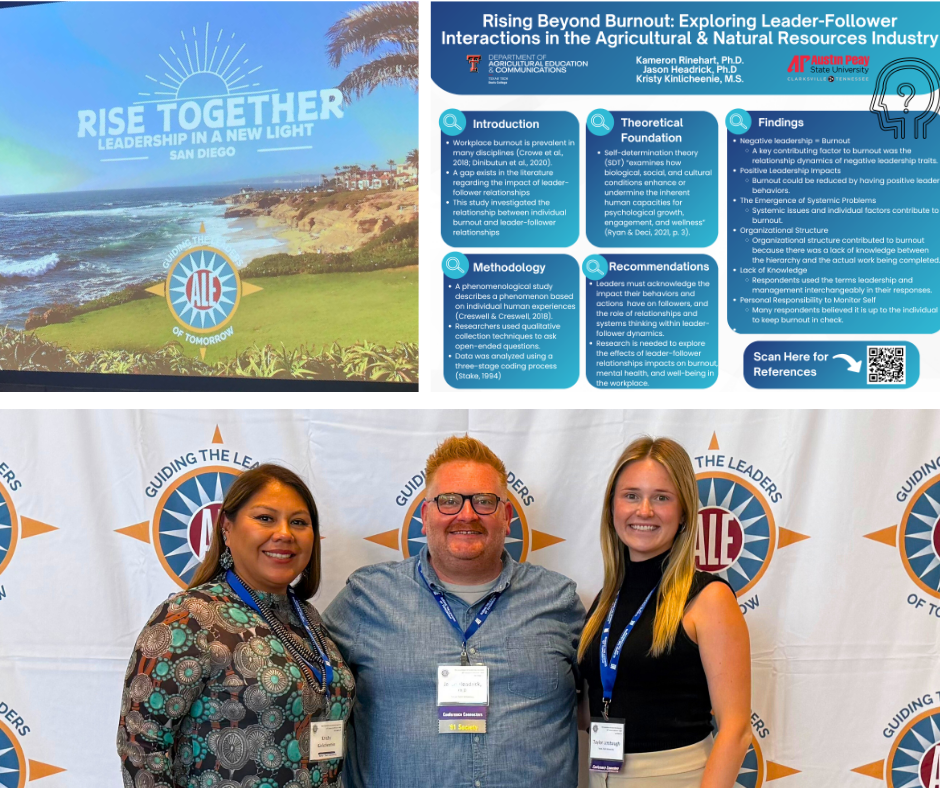
Kristy Kinlicheenie presented at the 35th Annual Conference in 2025, hosted by the Association of Leadership Educators. She presented on Rising Beyond Burnout: Exploring Leader-Follower Interactions in the Agricultural & Natural Resources Industry, which explored the causes of burnout and the critical role leadership plays in promoting well-being in the workplace.
Throughout the conference, Kristy connected with amazing leaders ready to support her upcoming projects, deepened her understanding of scholars in education, and had the opportunity to meet her advisor in person for the first time.
Horses Connection Diné Women: A Conversation on Navajo Horse-Human Relationships
University of Colorado Boulder
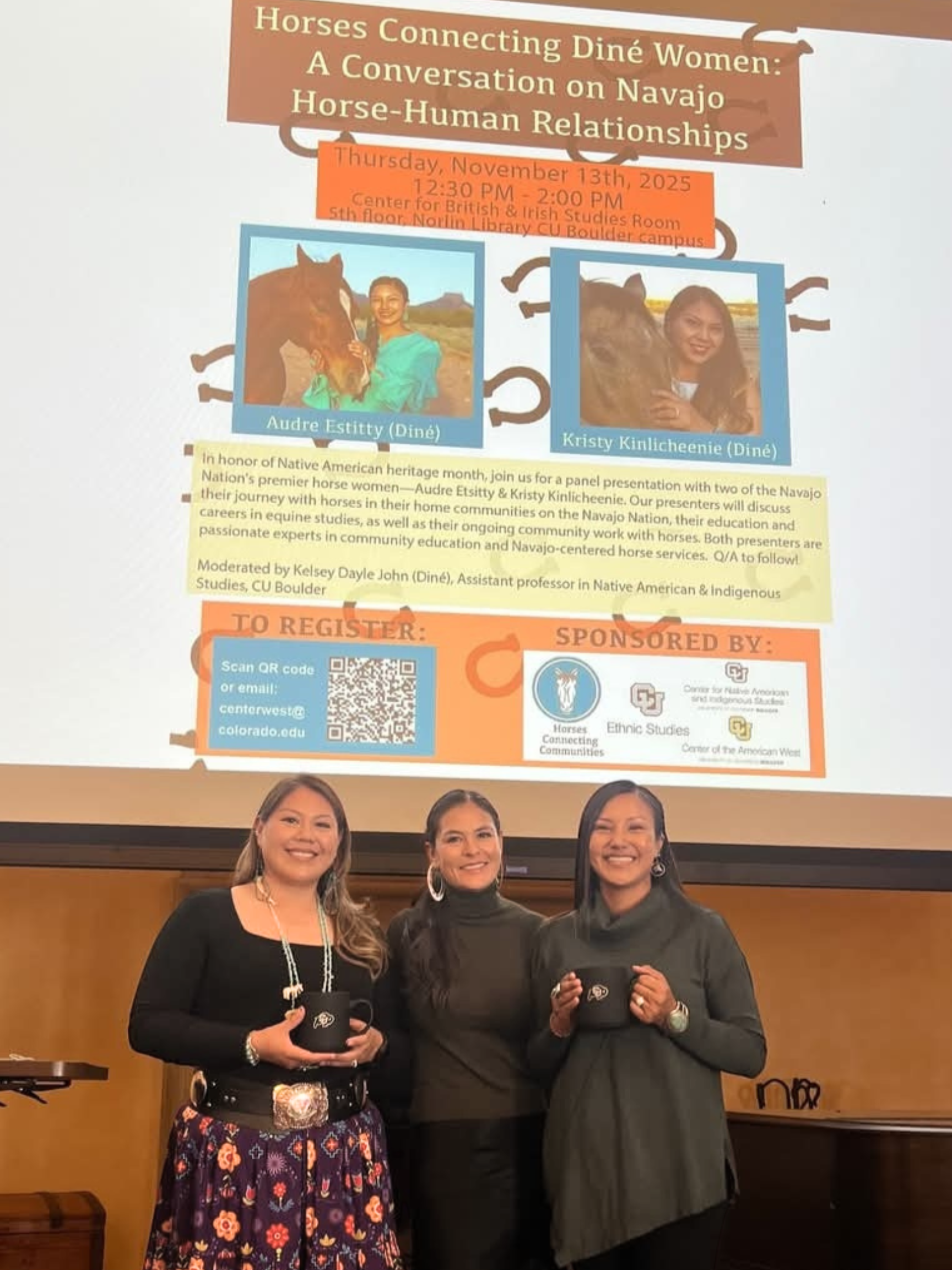
Kristy Kinlicheenie, presented at the University of Colorado Boulder, arranged by Dr. Kelsey John at the Center for American and Indigenous Studies and the Center of the American West. She collaborated on the panel with Audre Etsitty on the cultural importance of horses to the Navajo people.
“Sharing my story of how horses have impacted my life was very new and empowering. It gave me time to reflect on my journey and the motivation to keep moving forward. It is always great to share our culture with the world and remind people that Indigenous people are still here and thriving.” – Kristy K.