Next Generation Pathways
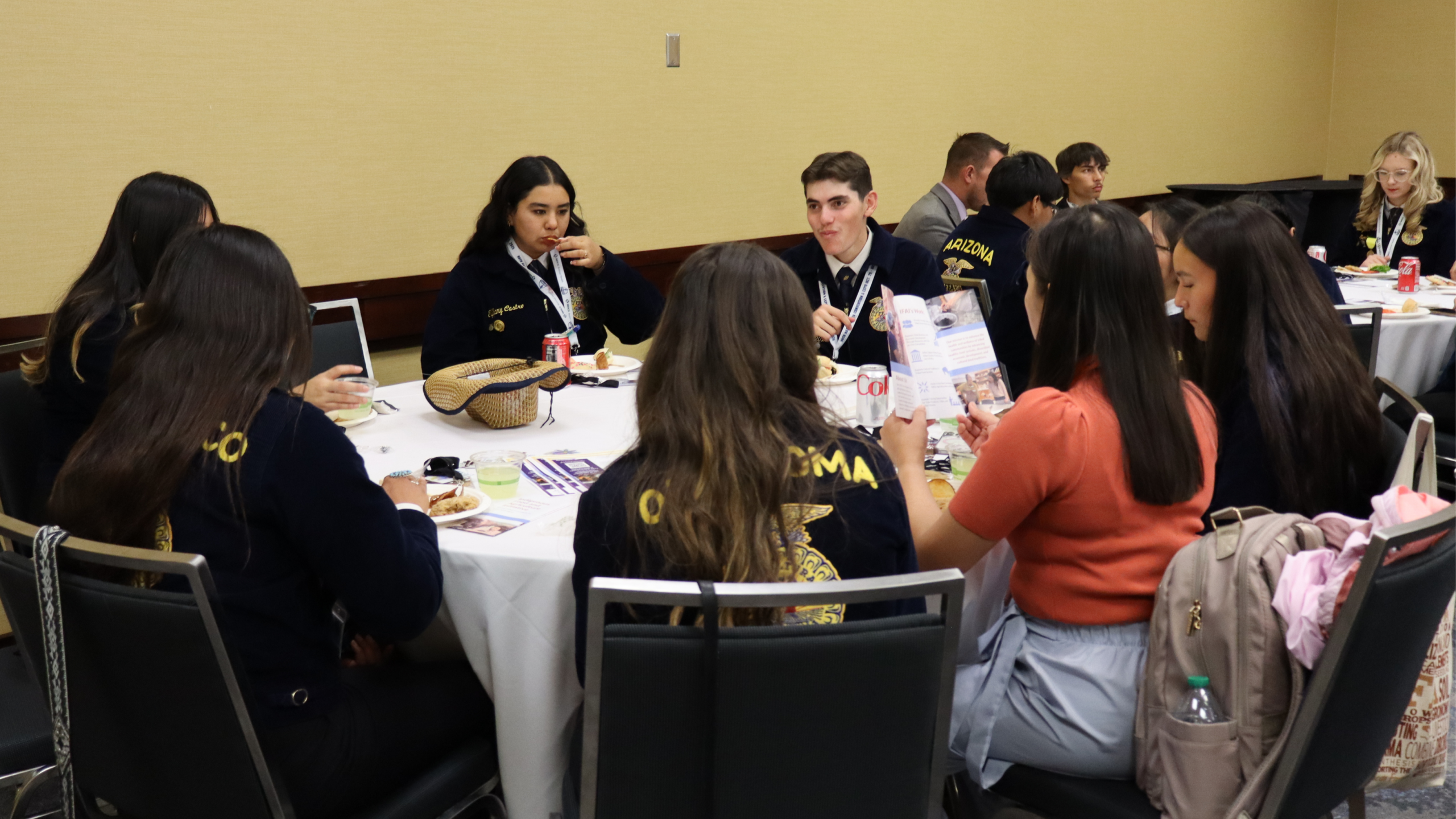
Supporting Native Youth
The future of agriculture depends on cultivating the next generation of leaders and ensuring Native American youth can see themselves in the many opportunities the industry has to offer. We show students that agriculture extends far beyond farming and ranching, encompassing science, technology, natural resource management, business, education, policy, and community development.
By helping young people explore these pathways, TAF works to keep their curiosity alive, reinforce their connection to agriculture, and empower them to see a future where their interests, talents, and cultural knowledge can make meaningful impacts in Indian Country.
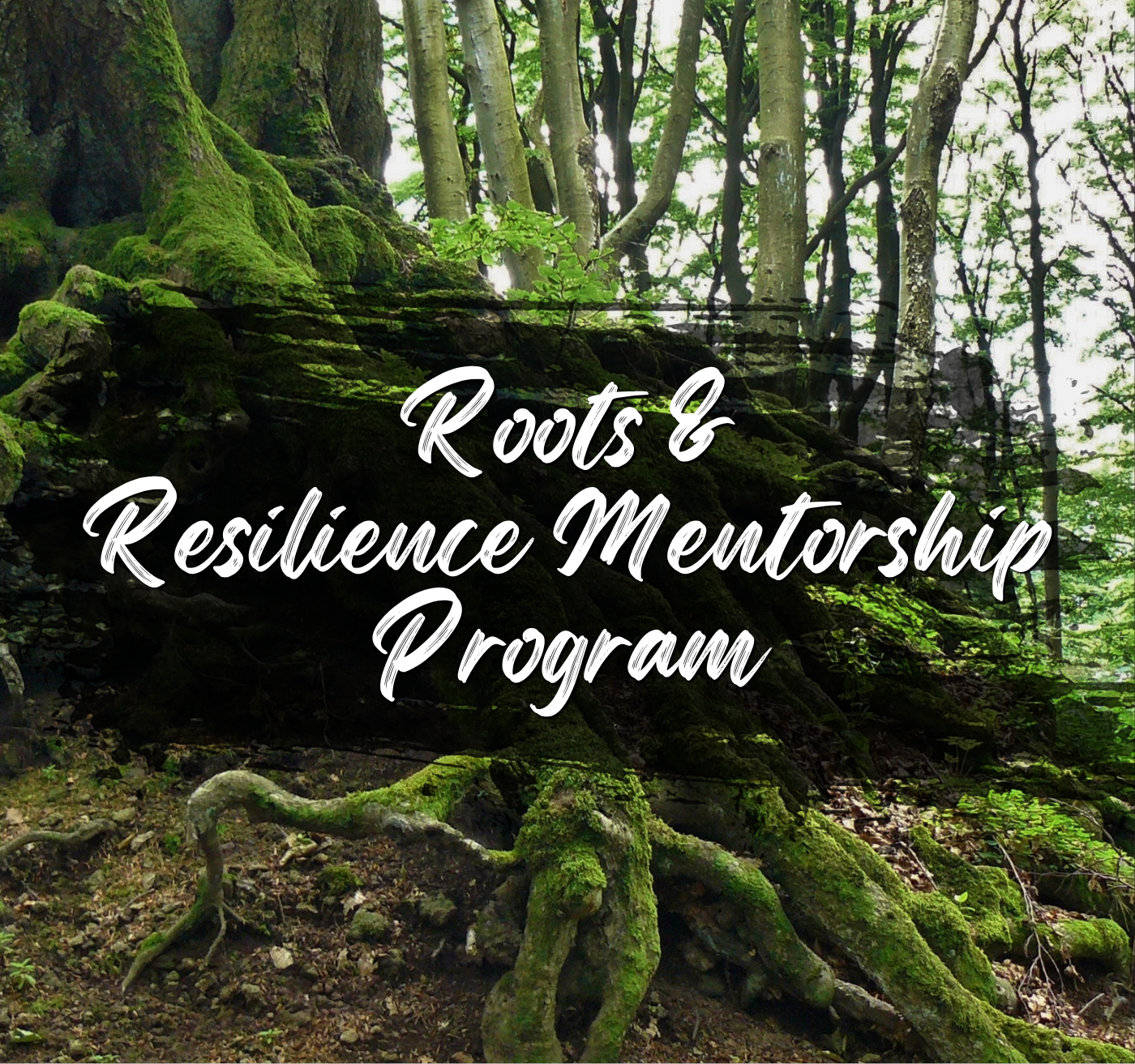
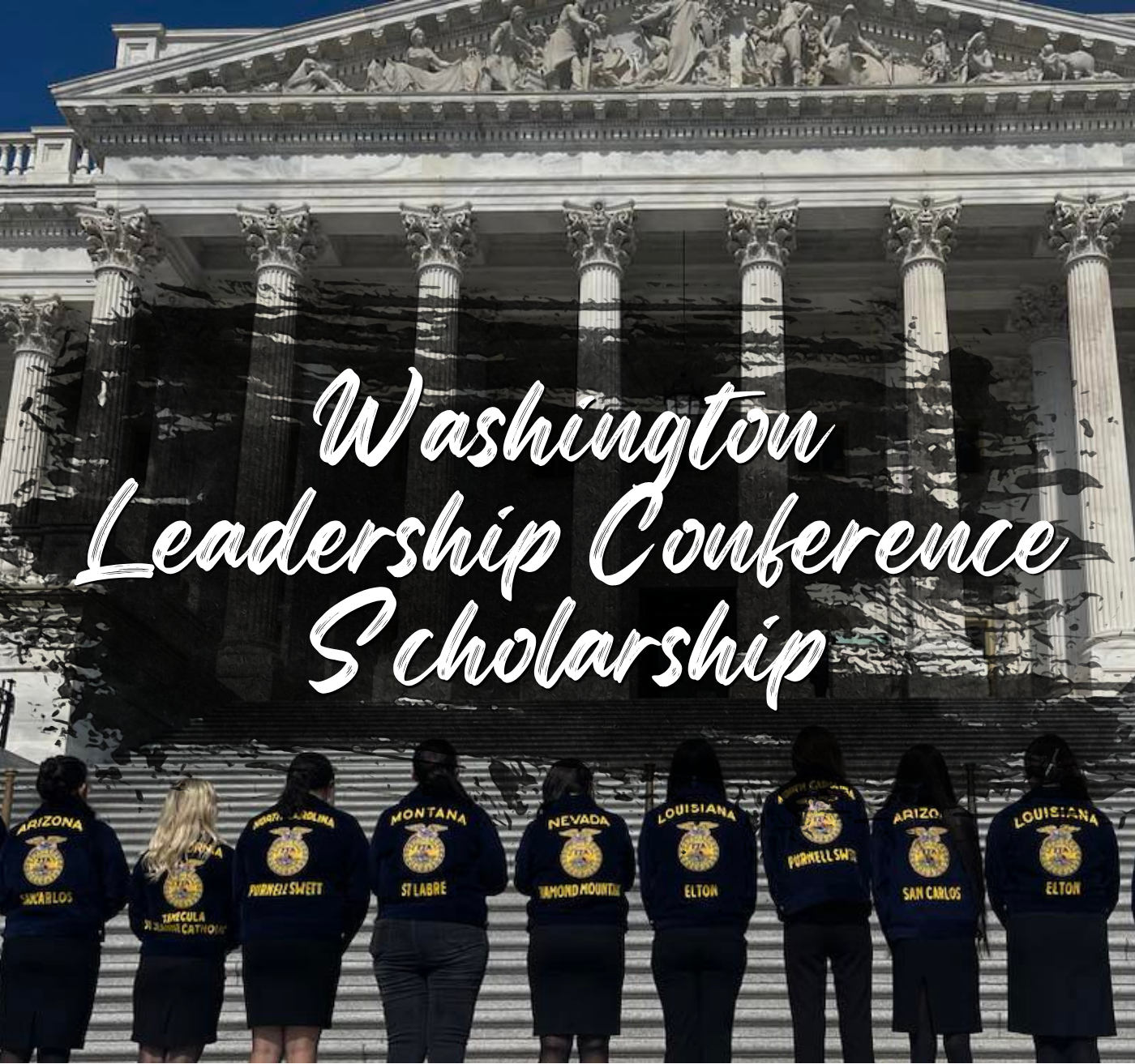
Through initiatives such as the Roots and Resilience Mentorship Program and the Washington Leadership Conference scholarships, TAF pathways connect students with mentors, leadership experiences, industry professionals, and opportunities to explore careers they may not have previously considered. These experiences broaden students’ understanding, turning curiosity into possibility and possibility into careers.
Supporting Agricultural Education
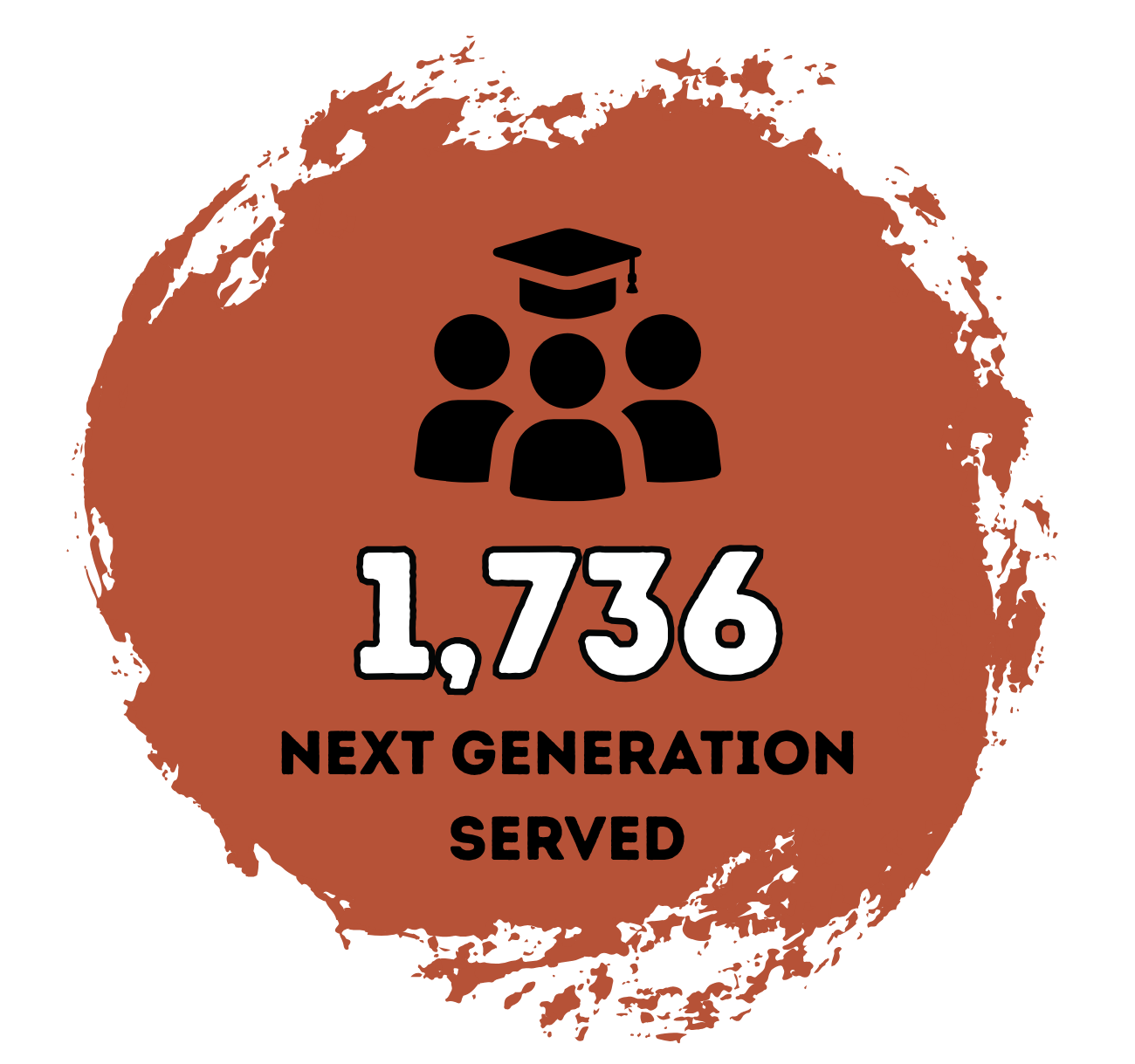
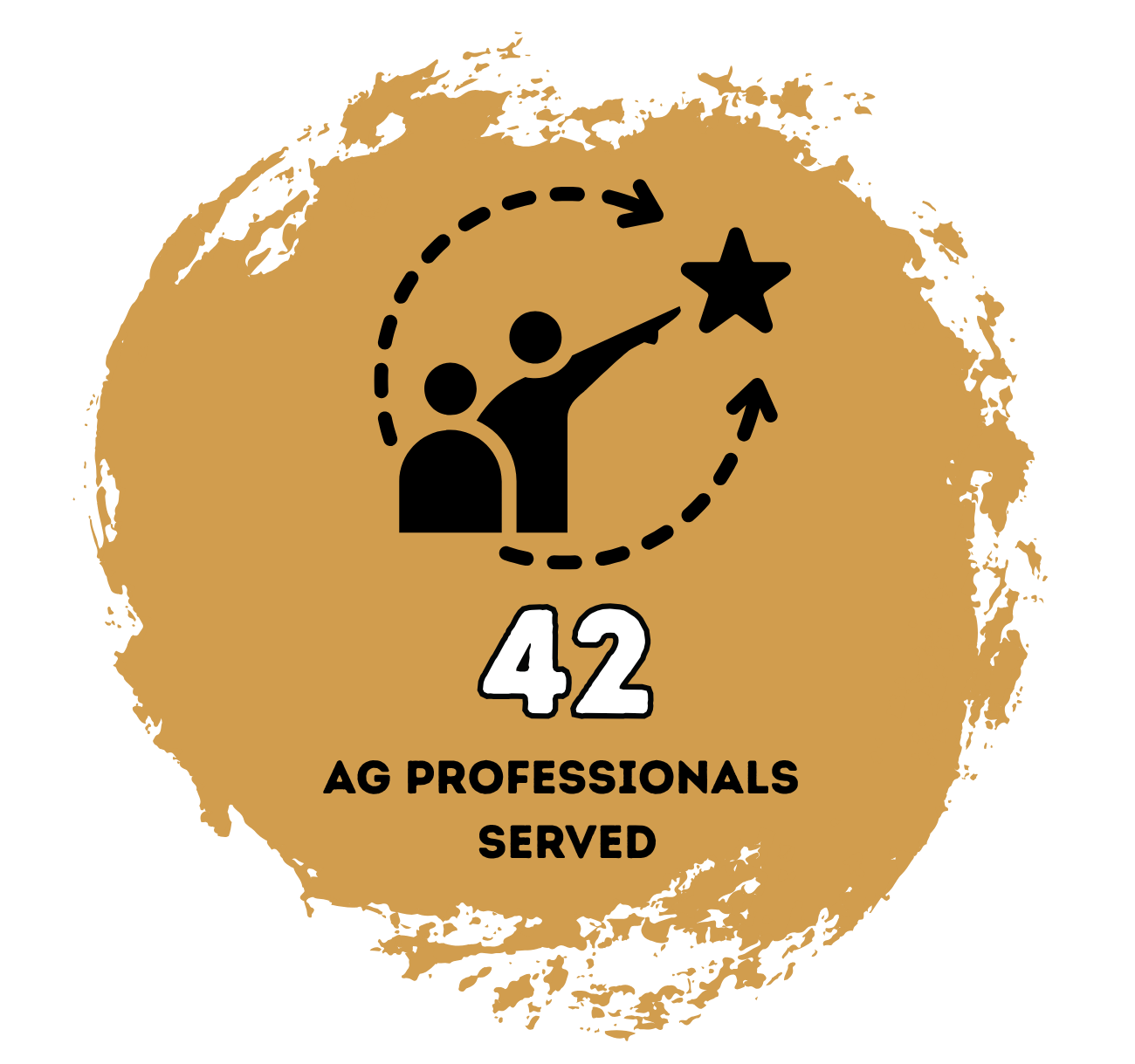
Over the years, our program has served over 1,500 next-generation agricultural students and over 40 agricultural professionals serving Native American students.
Agriculture Education and Professional Development opportunities provide meaningful hands-on learning opportunities, career exploration, and educator capacity building. These opportunities allow TAF to invest in the future of agriculture and empower individuals to bring their knowledge, skills, and experiences back to Tribal communities. Bridging the gap in Indigenous Agriculture Education allows us to strengthen those who are supporting the next generation and cultivate the next generation of Native agricultural leaders.
Our Next Generation Partners
Strong partnerships are essential to expanding opportunities for Native American youth and ensuring they can see themselves in the future of agriculture. Through collaboration with the National FFA Organization and the Bureau of Indian Education (BIE), TAF works to strengthen agricultural education through access to meaningful professional and workforce development opportunities for Native community members to explore and pursue agricultural careers.
These partnerships help connect students with the knowledge, resources, mentors, and hands-on experiences needed to discover the breadth of opportunities across agriculture, food, fiber, and natural resources. TAF and its partners empower Native youth to build on their cultural knowledge, explore their interests, and envision futures as agricultural professionals, entrepreneurs, and community leaders. Together, these partnerships help ensure Native students have the support and opportunities to shape the future of agriculture in ways that reflect the strengths, values, and needs of their communities. Read more on our partnerships below.
The National FFA Organization
Learning to Do, Doing to Learn, Earning to Live, Living to Serve

The National FFA Organization, formerly known as Future Farmers of America, established the first-ever partnership with the Native American Agriculture Fund (NAAF) and the Tribal Agriculture Fellowship (TAF) in 2023, dedicated to supporting Native American students pursuing agricultural careers. Agricultural education plays a pivotal role in preparing the next generation of agricultural leaders for the robust world of agriculture, food, fiber, and natural resources systems.
A school-based youth leadership development organization, FFA strives to make a positive difference in the lives of students by developing their potential for premier leadership, personal growth, and career success through agricultural education. FFA has more than 14,000 American Indian and Alaska Native members, and more than 2,400 Native Hawaiian and Pacific Islander members.
Bureau of Indian Education
Providing quality education opportunities from early childhood through life
The Bureau of Indian Education, the Native American Agriculture Fund, and the Tribal Agriculture Fellowship have established a new partnership that will allow more BIE students to benefit from comprehensive, culturally relevant agricultural training and education. The agreement, which was signed during a ceremony at a Bureau of Indian Education school will be piloted in three schools across the United States.
“We are thrilled to embark on this journey with BIE schools,” said Nicole De Von Jackson, Executive Director of the Tribal Agriculture Fellowship program. “This partnership represents an incredible opportunity to create customized resources that truly reflect each community’s unique needs and strengths. We are excited to see how this initiative will inspire and empower Native students to become the next generation of leaders in agriculture.”
The Bureau of Indian Education implements federal Indian education programs and funds 183 elementary and secondary day and boarding schools serving approximately 40,000 students. BIE oversees the operation of two postsecondary schools, Southwestern Indian Polytechnic Institute and Haskell Indian Nations University. BIE administers grants for 29 Tribally controlled colleges and universities and two tribal technical colleges. For more information, visit the BIE website at https://www.bie.edu/.

Chemawa Indian School
Salem, Oregon
“Chemawa Indian School is an off-reservation residential learning environment serving American Indian and Alaska Native youths. Our students from grades 9 through 12 are engaged in rigorous academic programs designed to challenge and reward individual efforts. Through this approach, we equip our students with the knowledge, skills, and experiences to make meaningful contributions to their Tribal communities and society.”
Wingate High School
Fort Wingate, New Mexico
“Wingate High School provides a dynamic daily learning environment, nurturing Navajo scholars in grades 9 – 12. We focus on fostering self-identity, academic excellence, leadership, and wisdom among our students. Our school community prepares students for graduation, higher learning, and a successful life plan. Wingate High School practices the traditional concept of Hozho to promote every student’s physical, mental, and spiritual well-being.”


Sequoyah High School
Tahlequah, Oklahoma
Sequoyah’s mission is to develop leaders who will successfully meet the challenges of their futures academically, socially, culturally, and globally.