What is the Fellowship?
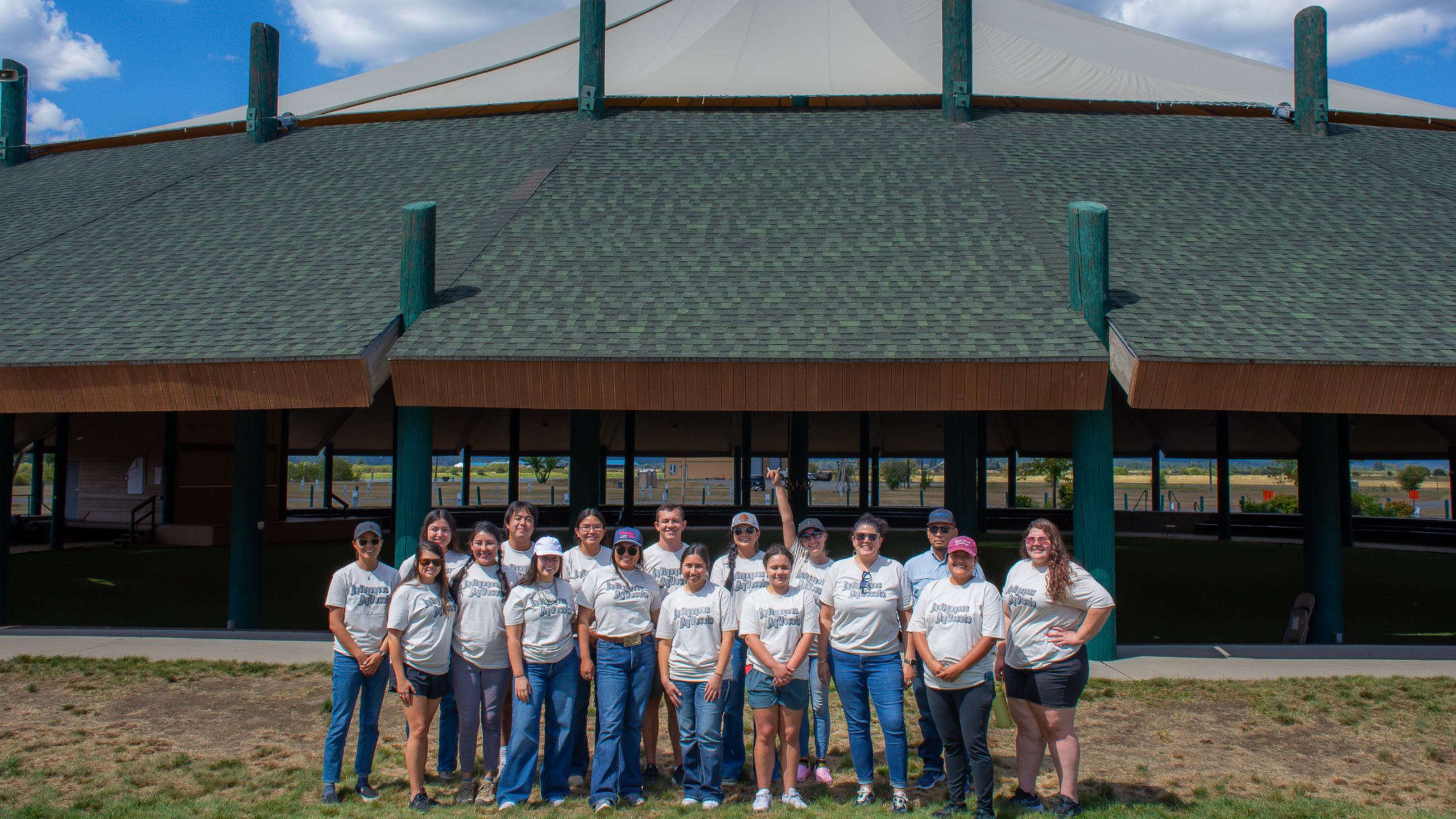
The Fellowship program deepens TAF’s impact by cultivating a strong community of emerging agricultural leaders who learn, grow, and lead alongside one another. Through shared experiences, meaningful connections, and guidance from agriculture professionals, TAF Fellows contribute to a culture of leadership that encourages collaboration, strengthens peer-to-peer learning, and inspires collective growth across the cohort.
By engaging in mentorship, internships, and professional development opportunities, TAF Fellows not only build their own leadership capacity but also help elevate those around them. Together, they strengthen the cohort’s ability to create meaningful change, advance the agricultural sector, and carry forward TAF’s mission of developing the next generation of agricultural leaders.
Academic Enrichment Fund
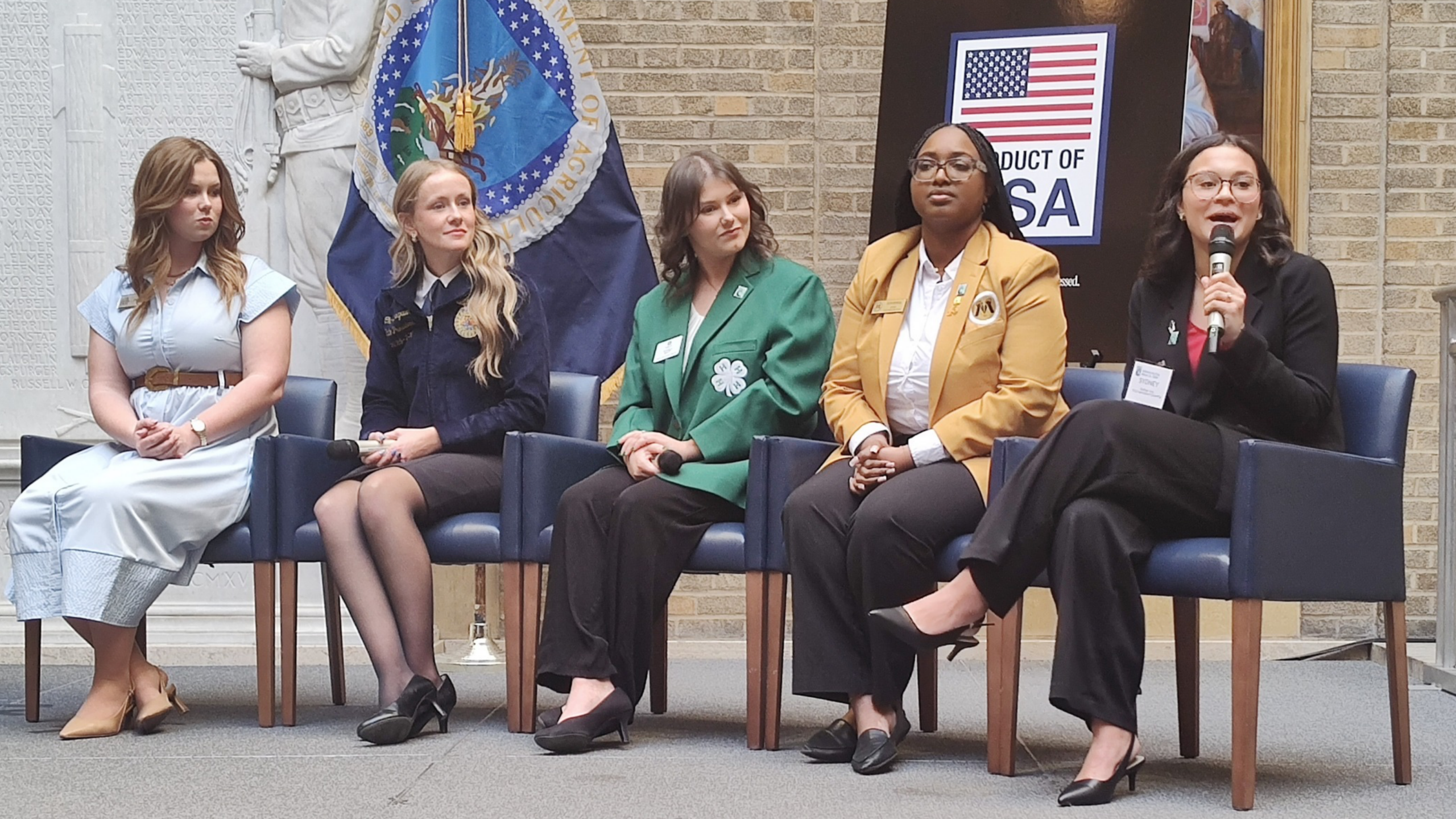
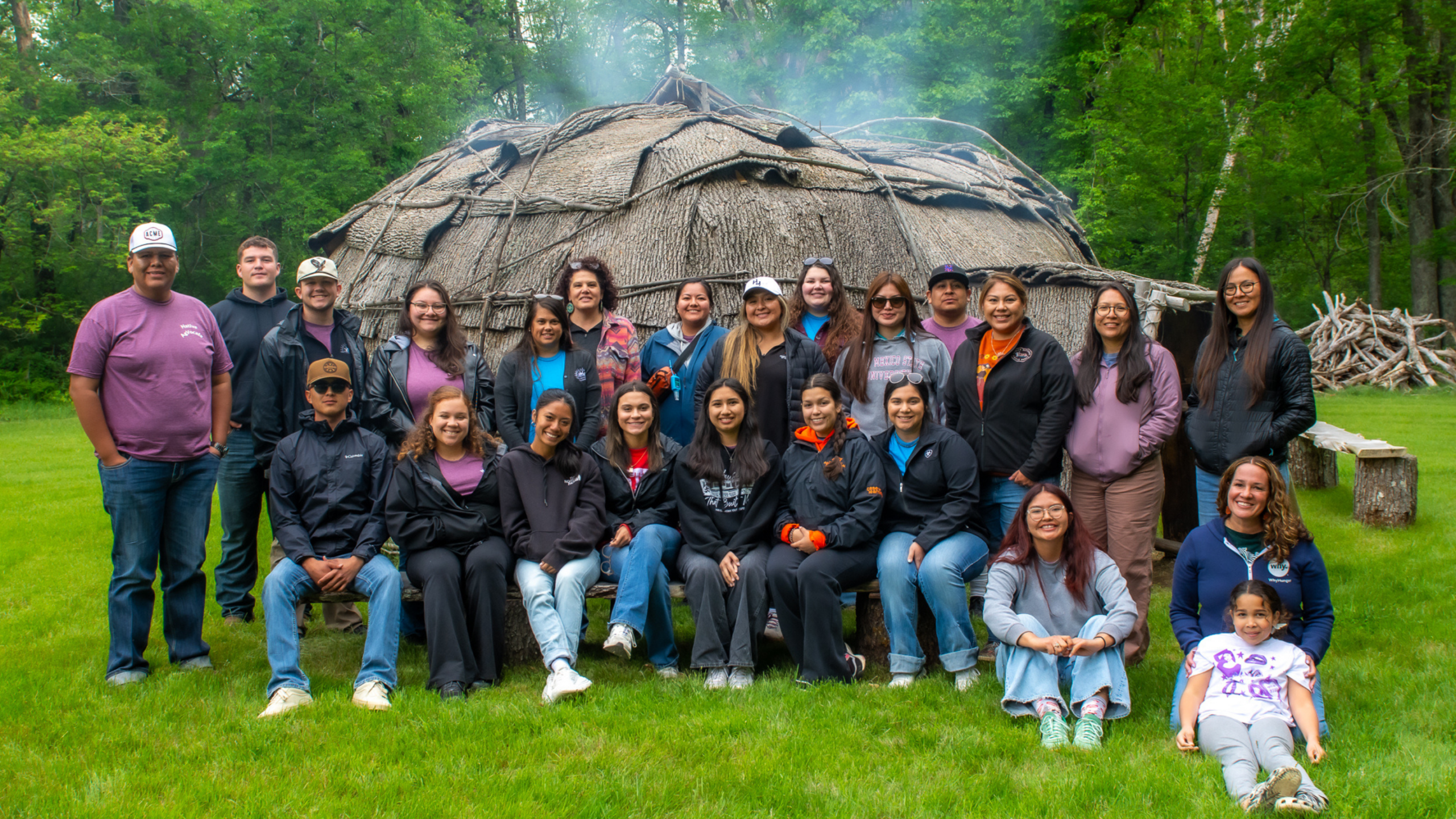
The Academic Enrichment Fund provides Fellows with the resources and support they need to thrive academically and prepare for their future careers.
Previous Academic Enrichment Funds have been used to:
-
-
- travel to the Native American Fish and Wildlife national conference, AISES, Native Action Network Conference, and the Associations of Leadership Educators conference,
- take the LSAT exam, and an artificial insemination certification course,
- buy key materials like a computer, DSLR camera, spotting scope, physics lab equipment, and veterinary school supplies.
-
By funding essential educational materials, professional tools, and opportunities to attend conferences and academic events, the Fund empowers fellows to share their research, expand their knowledge, and connect with professionals in their fields. We recognize that meaningful learning extends far beyond the classroom and that each academic discipline requires tailored resources and experiences to bring classroom concepts into the real world.
Student Retreat
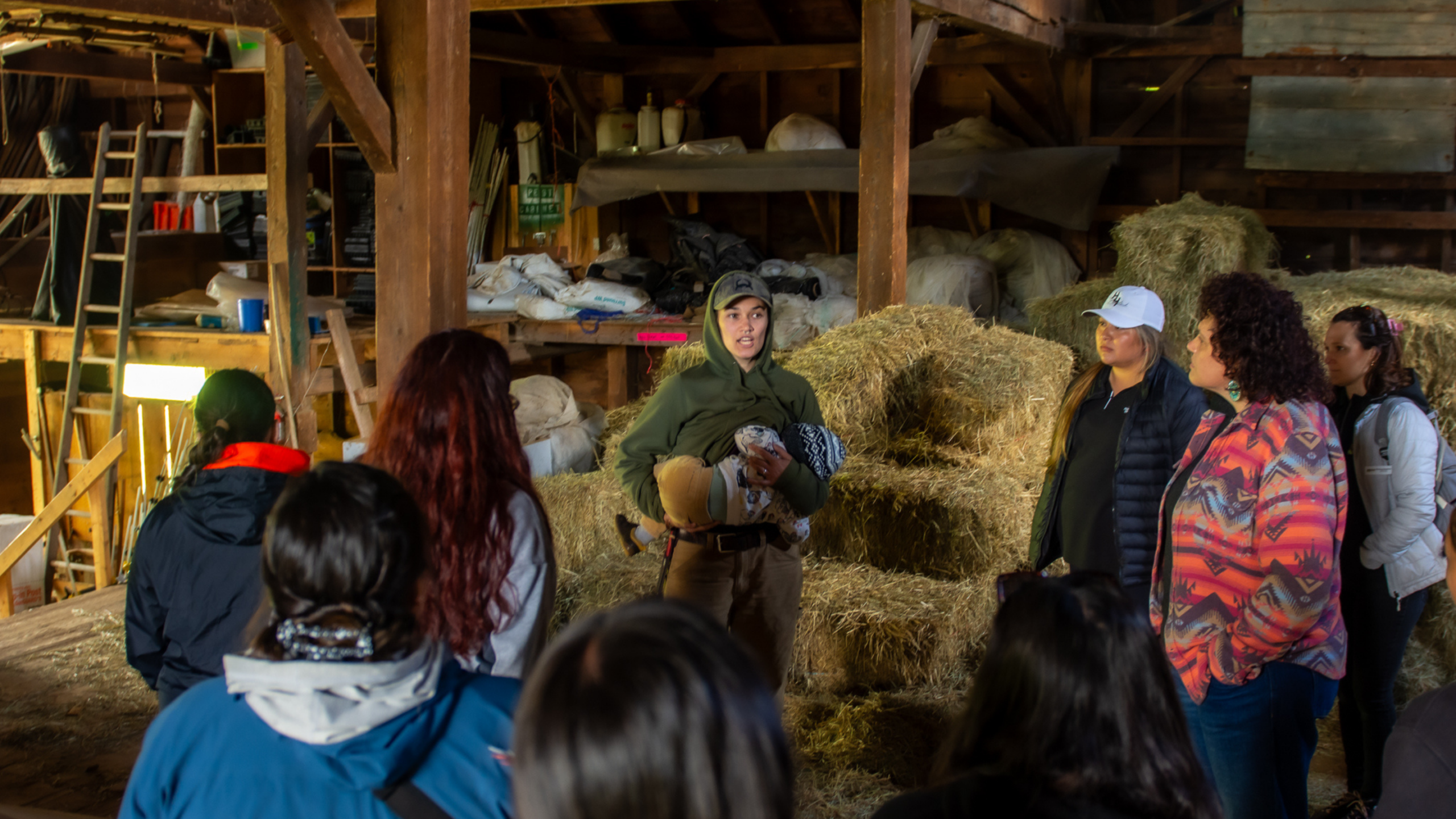
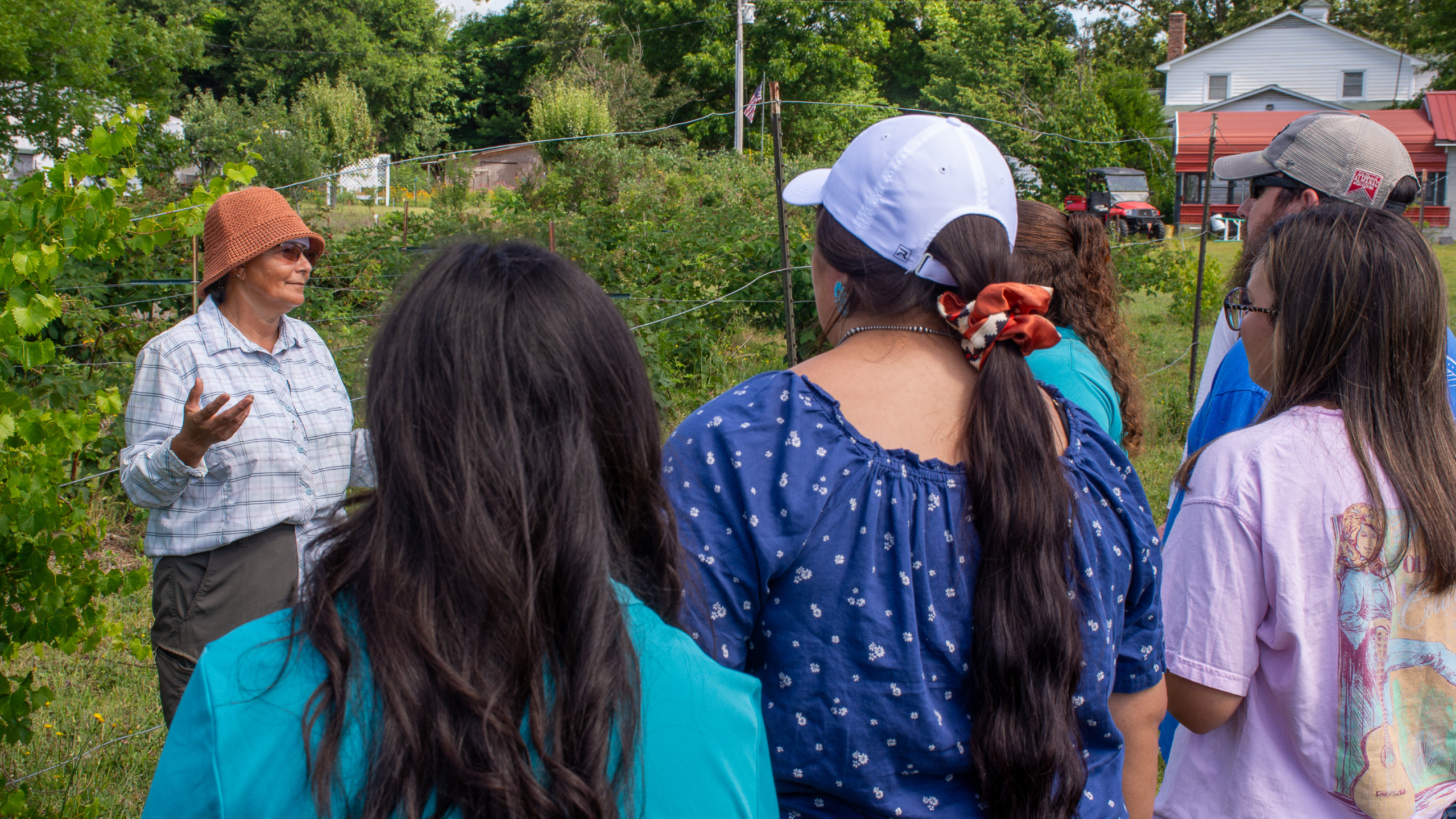
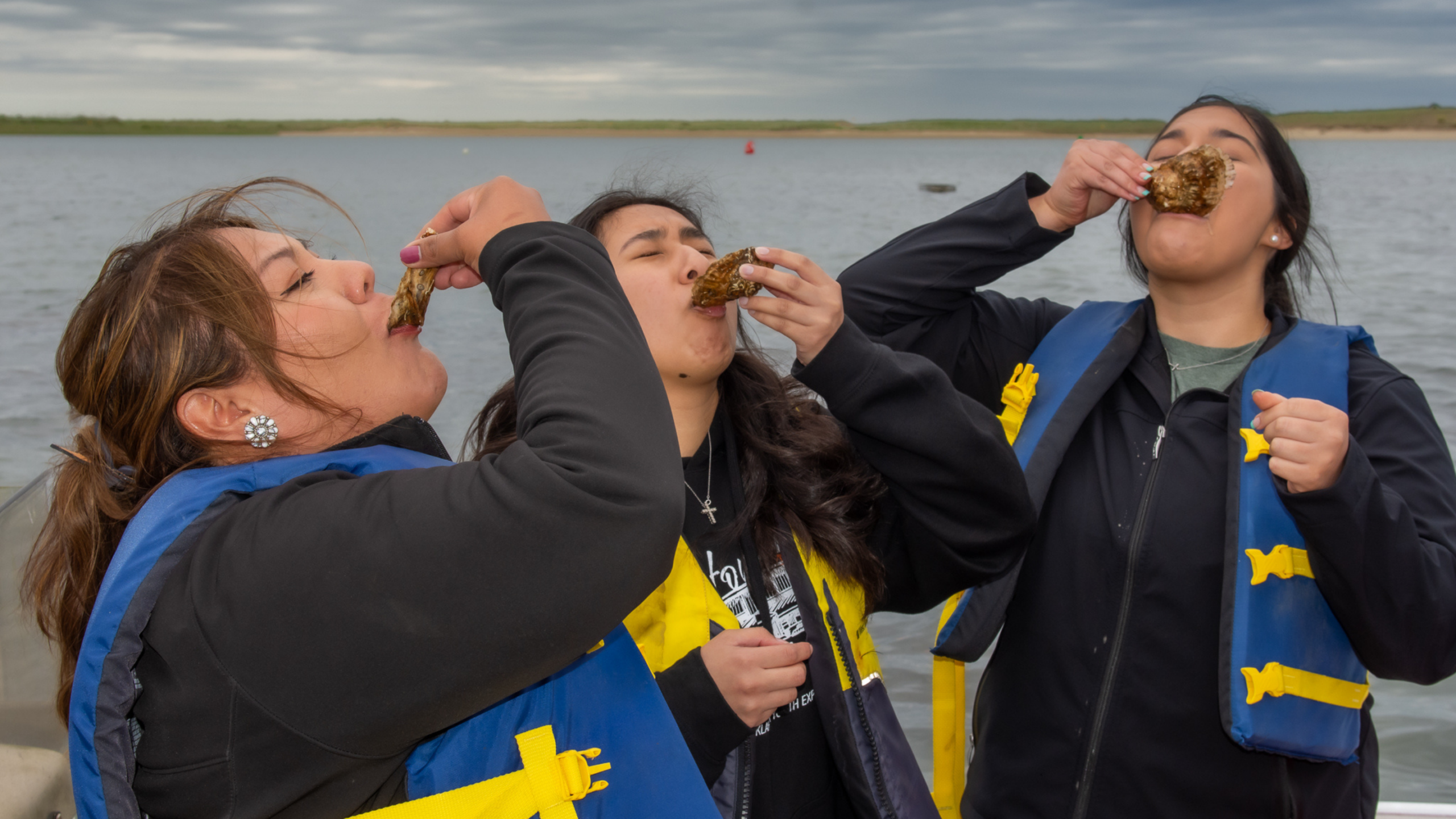
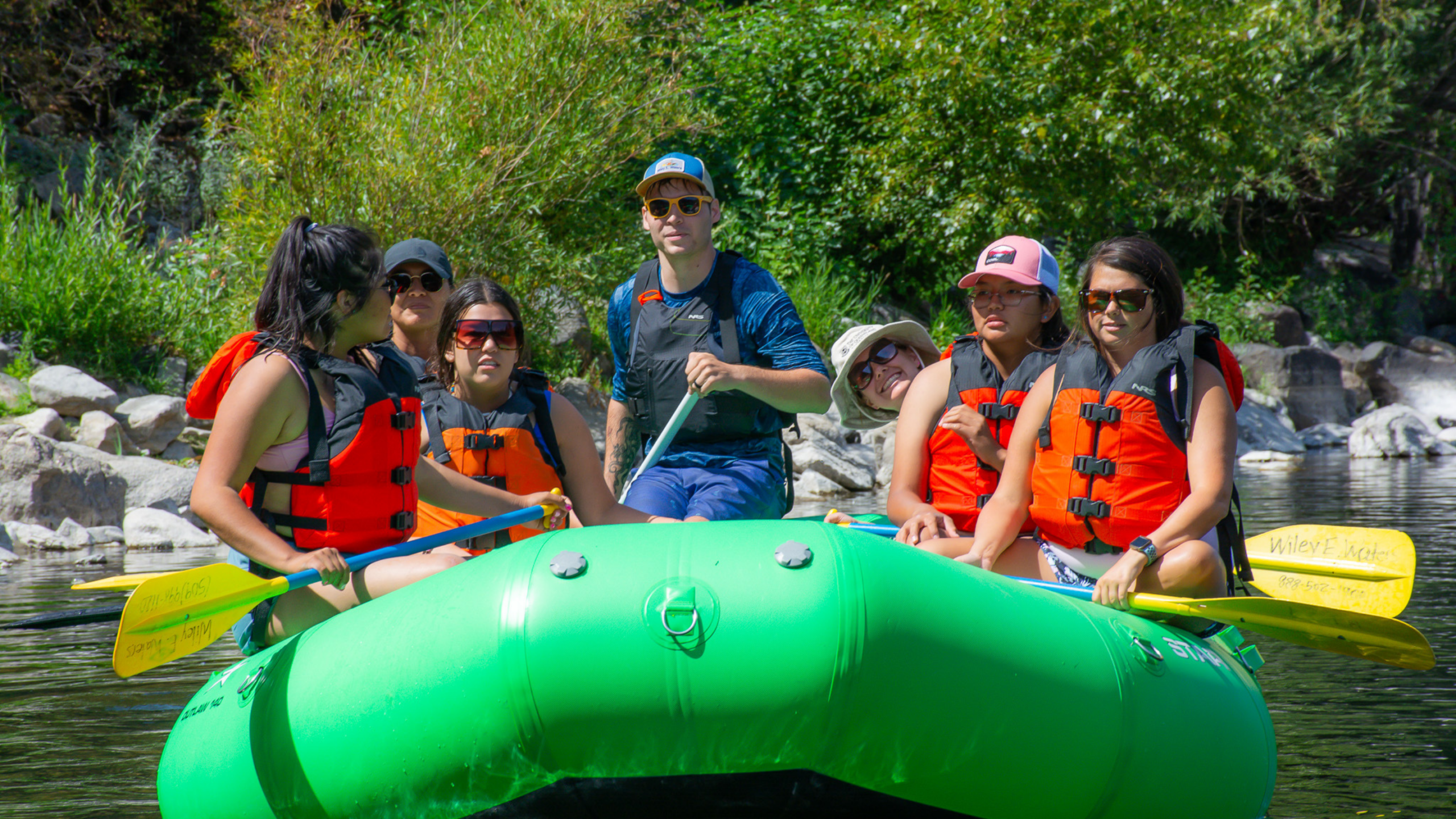
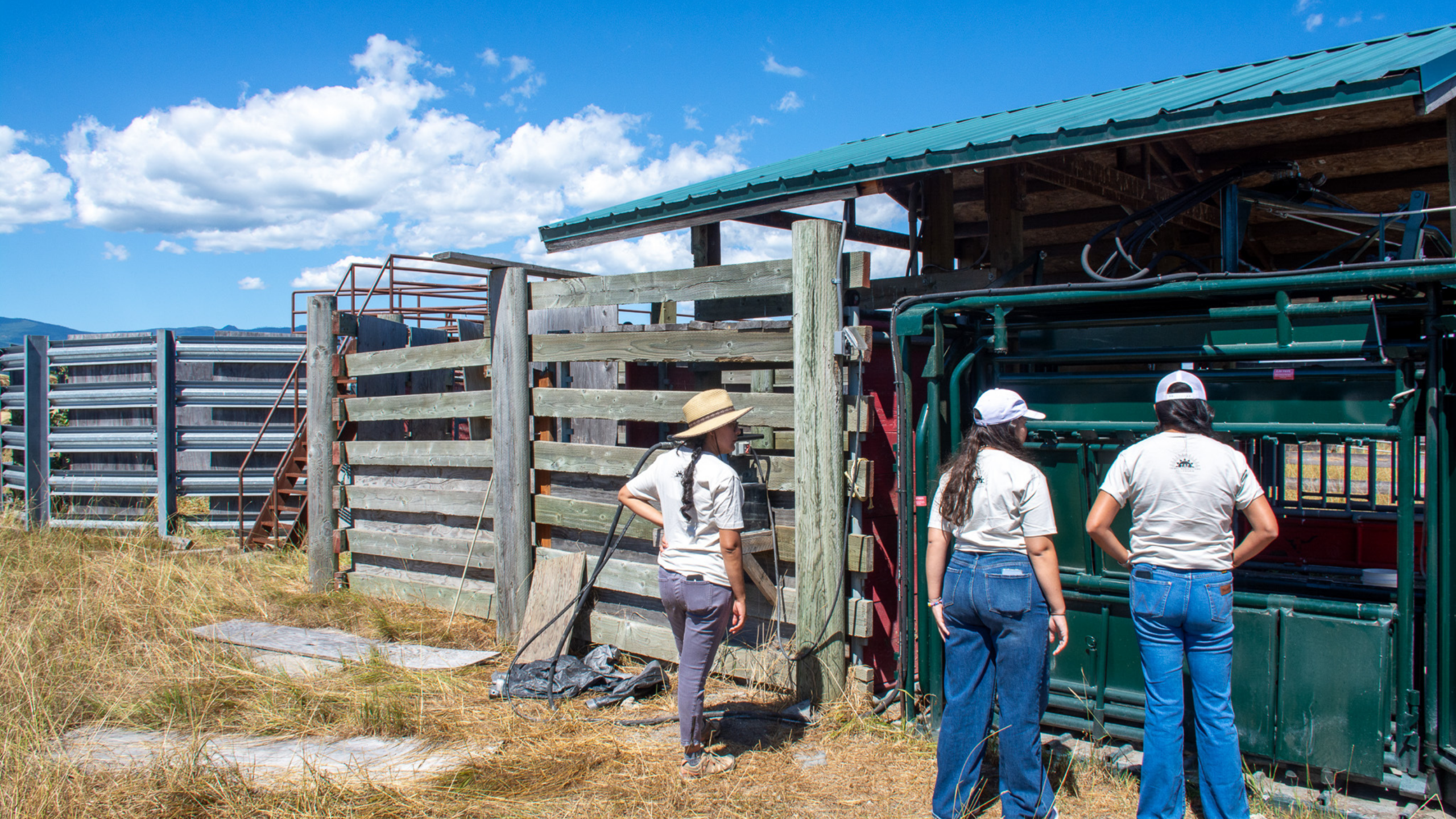
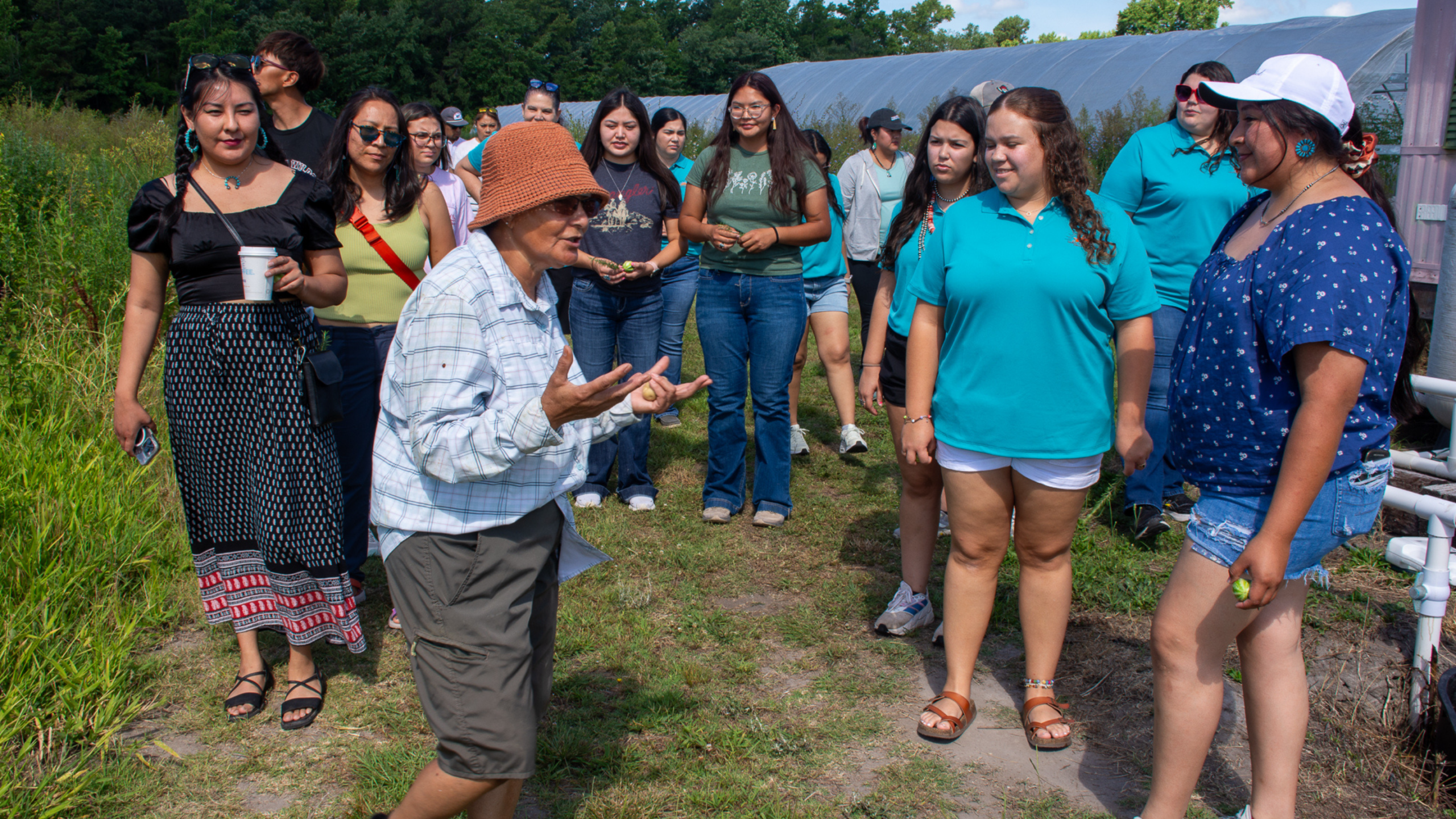
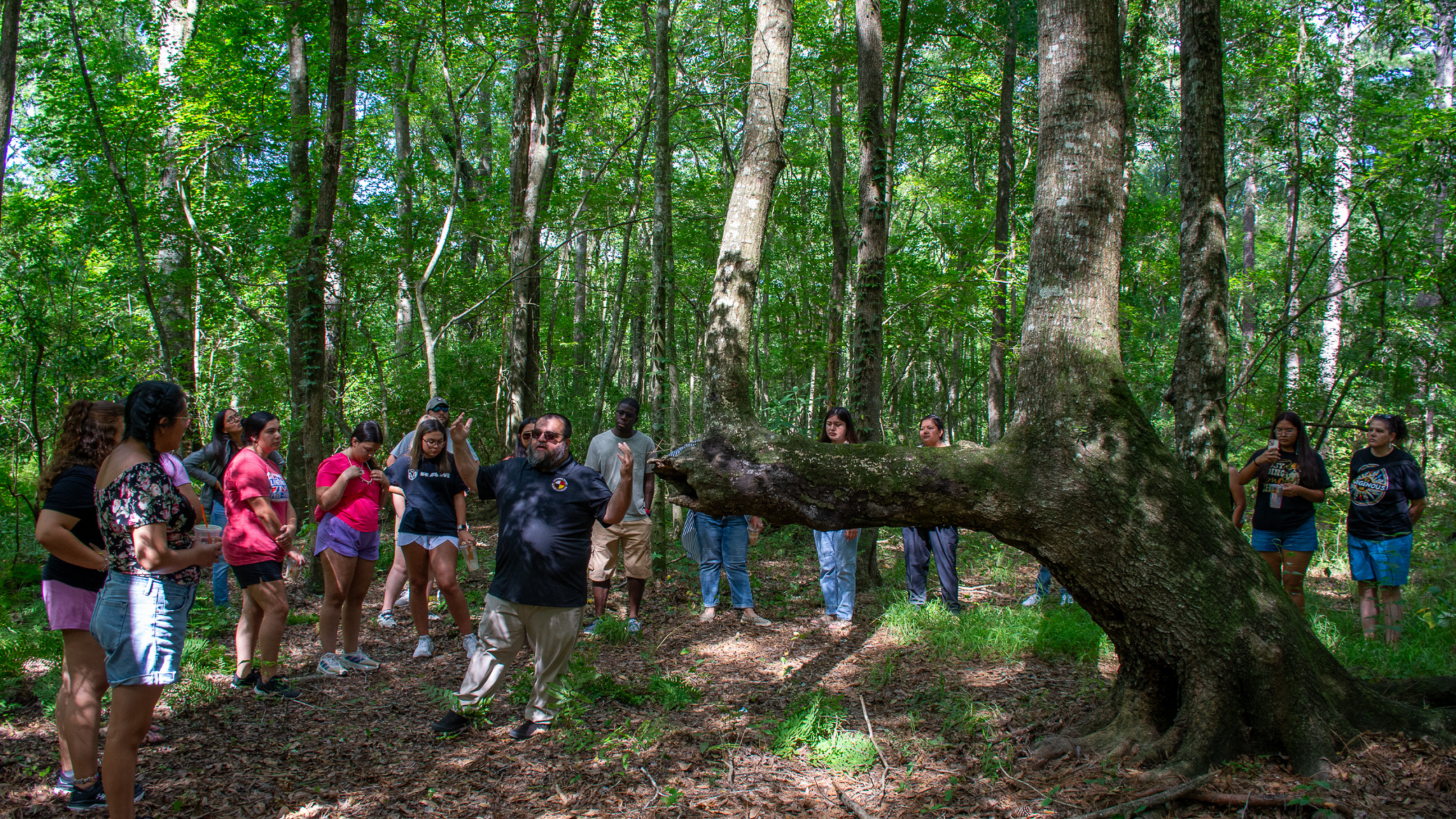
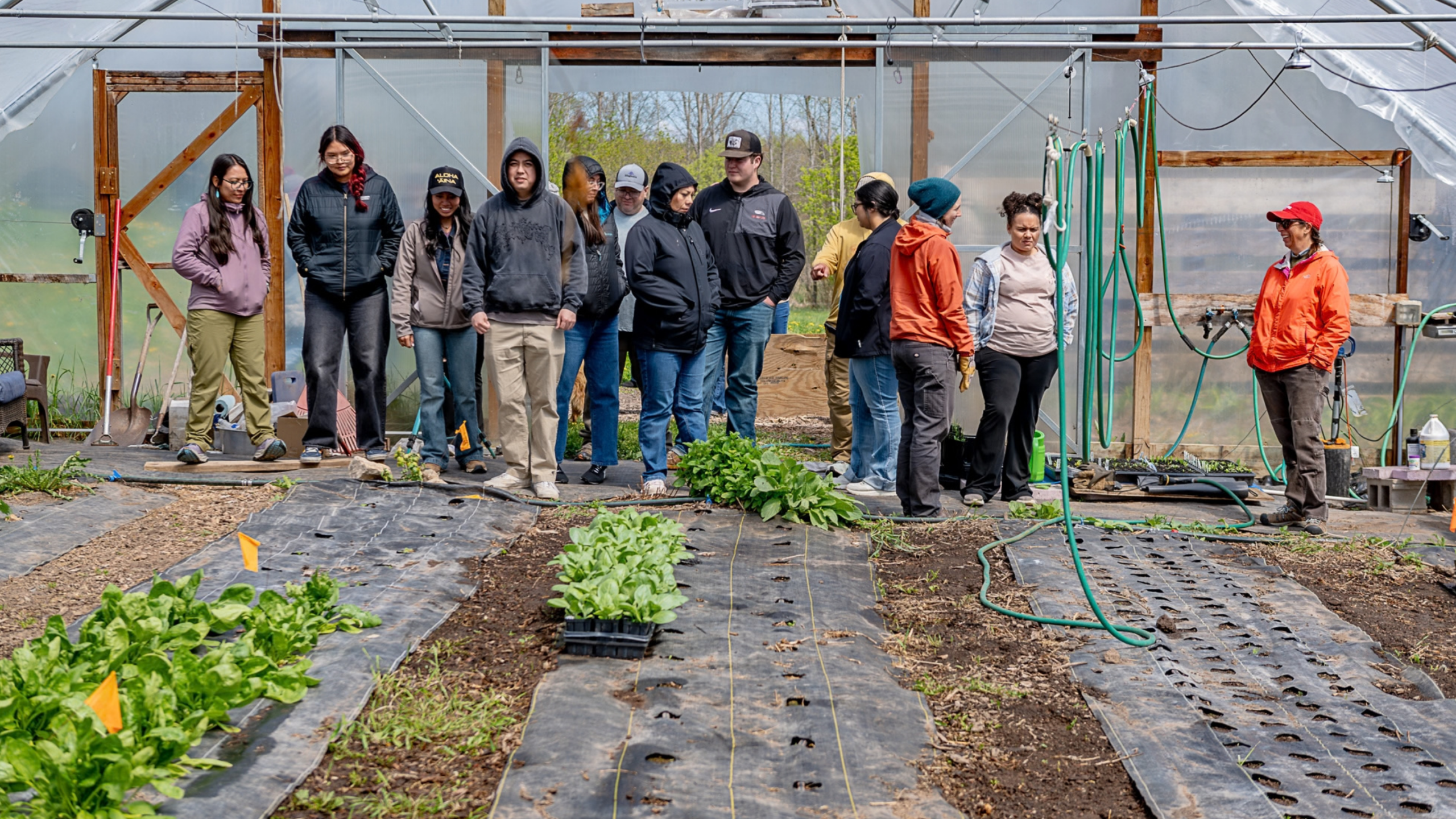
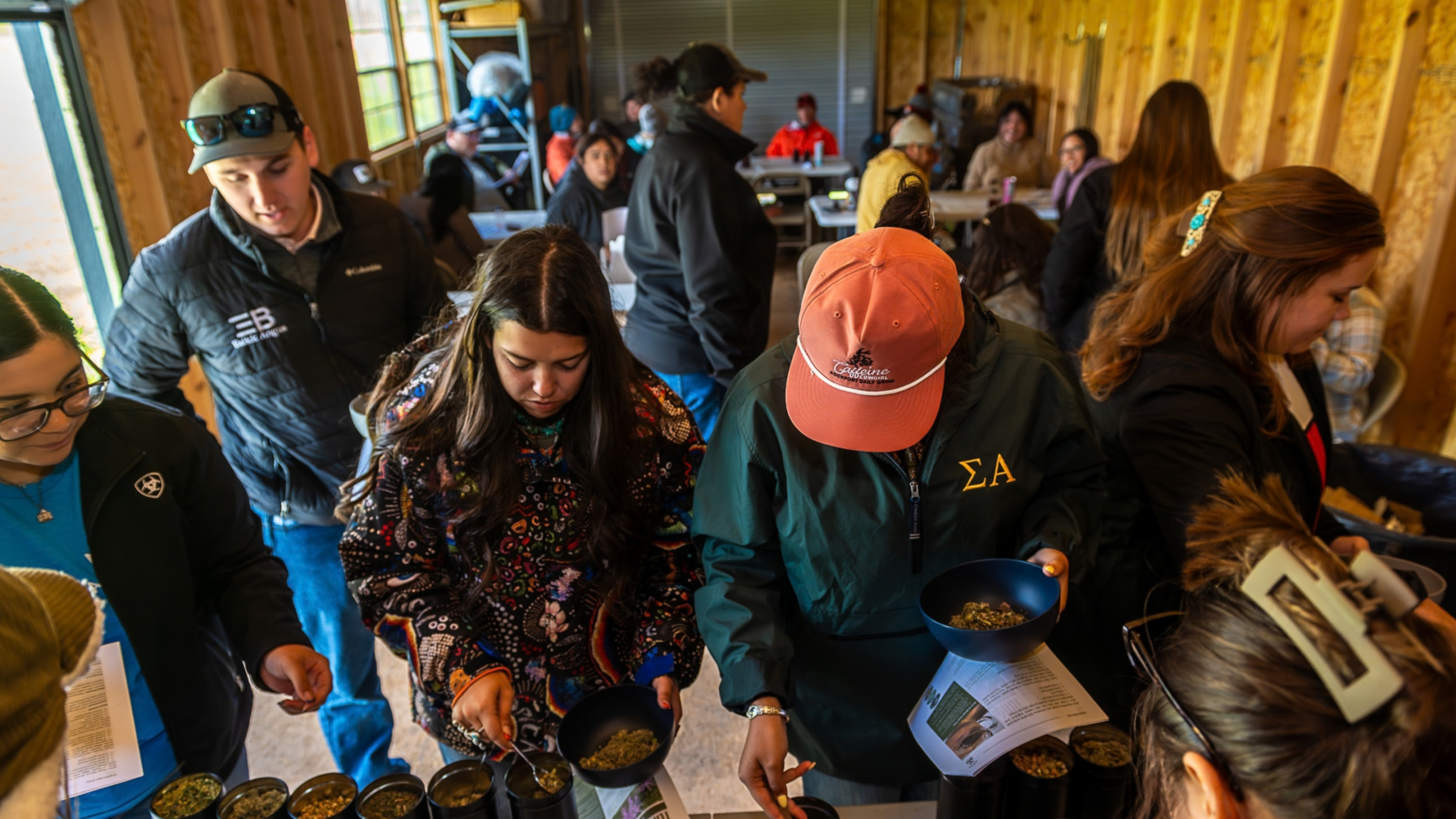
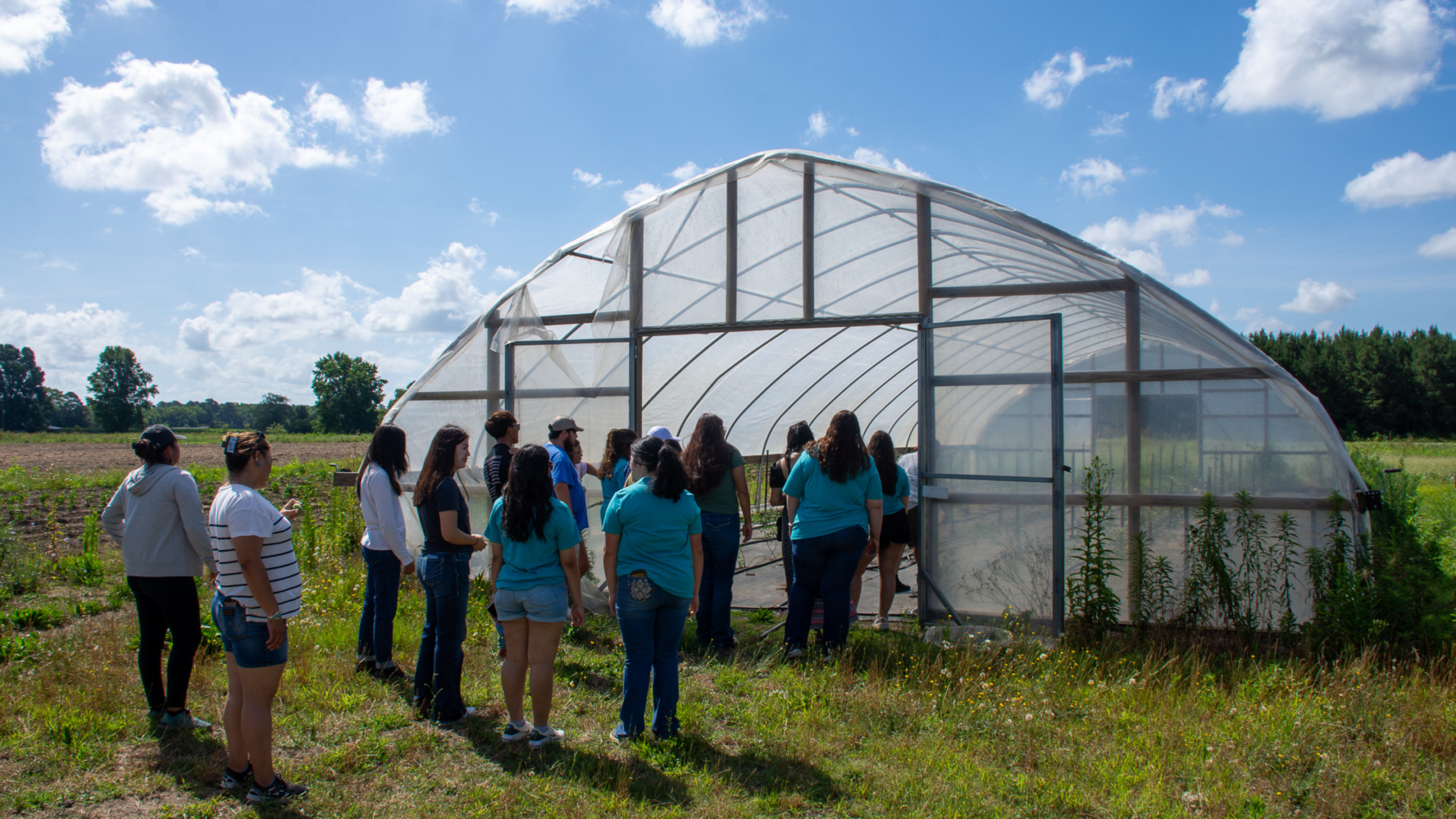
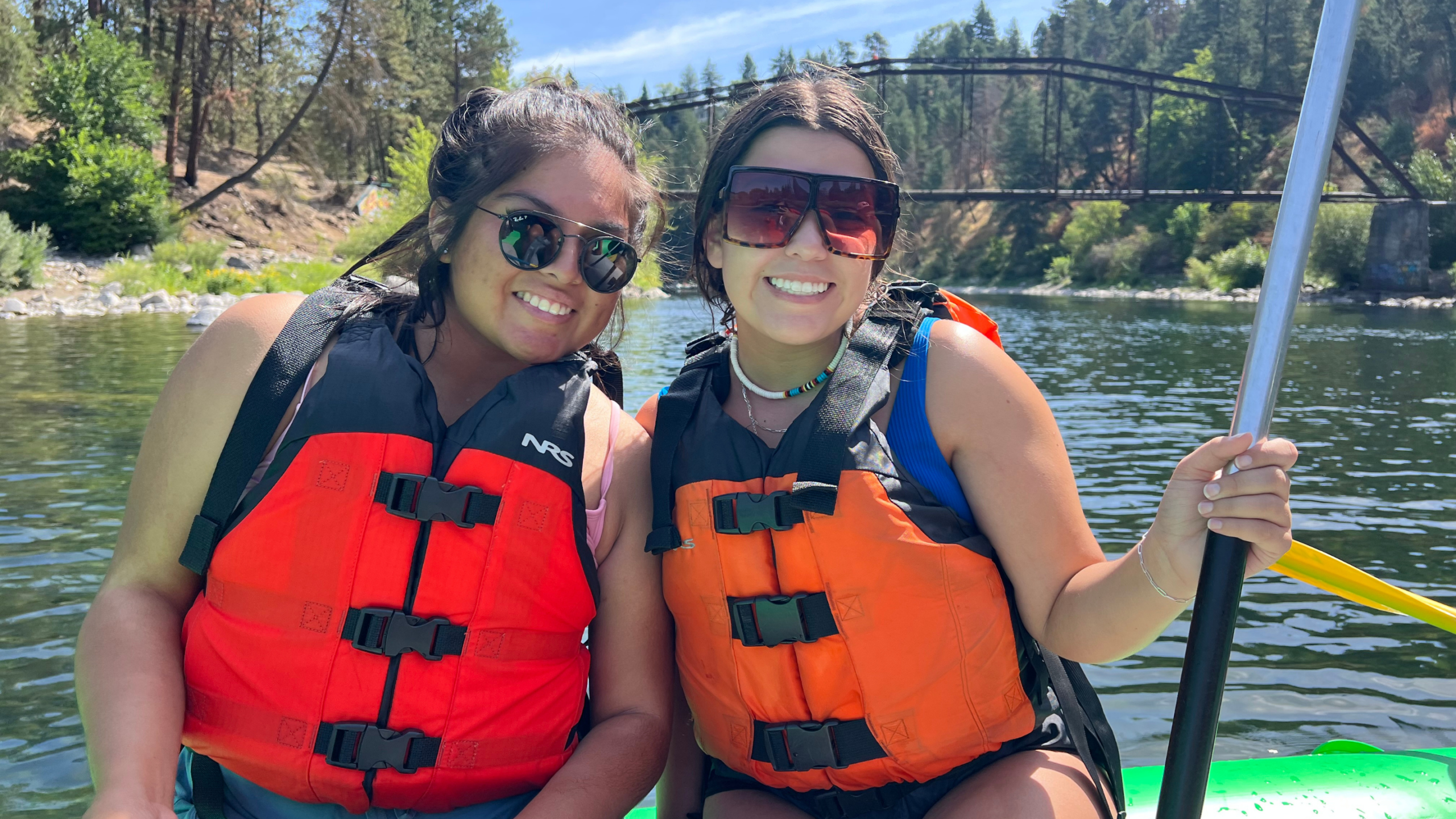
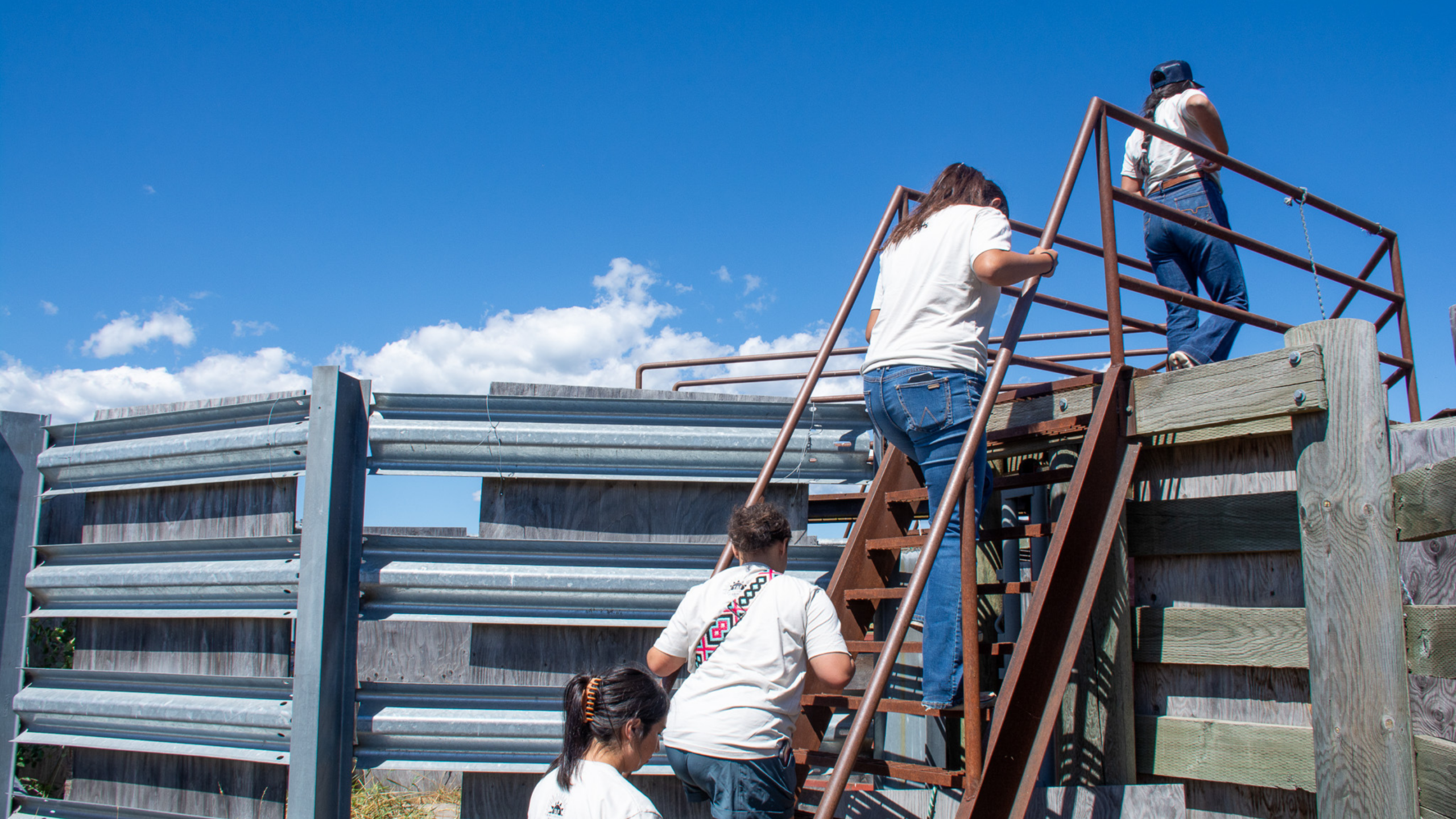
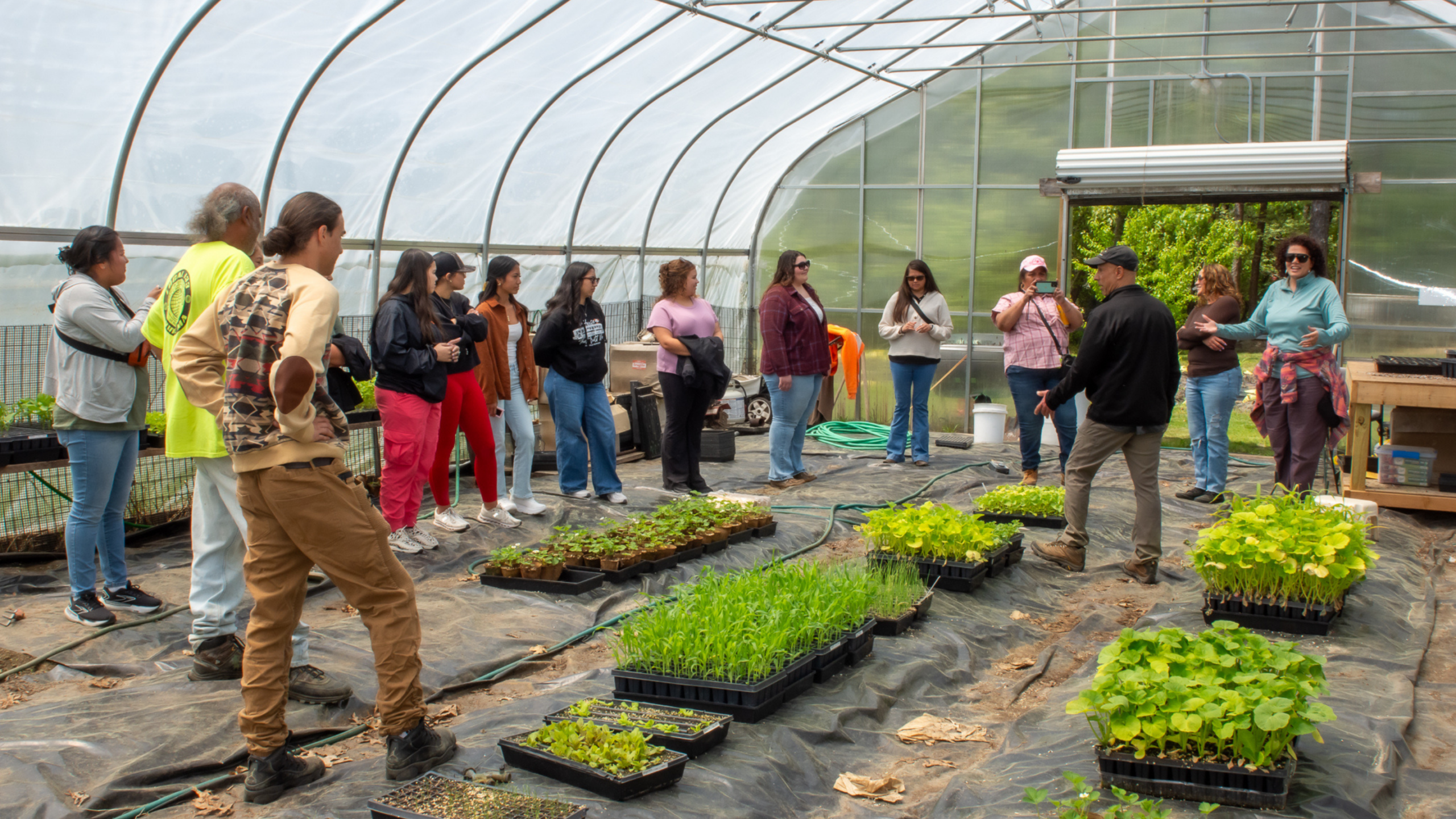
The Student Retreat provides Fellows with the opportunity to visit Indigenous communities and learn firsthand about their agricultural traditions, histories, and the successes and challenges they face.
Recent student retreats have taken students to:
-
-
- Washington | visiting with the Spokane Tribe, Kalispel Tribe, and Confederate Tribes of the Colville reservation.
- North Carolina | visiting with Lumbee Nation.
- Massachusetts | visiting with Mashpee Wampanoag and Nipmuc Nations.
- Wisconsin | visiting with Oneida and Menominee Nations.
-
Through these immersive, real-world experiences, Fellows gain new perspectives and deepen their understanding of Indigenous agriculture which vastly differs from region to region. As they network with new communities they learn essential soft skills, including active listening, cultural awareness, teamwork, and relationship-building.
Applying for the Fellowship
This following application focuses on the Fellowship which is available to juniors standing and declared, as well as graduate students at the beginning of their graduate studies. Please review all materials below before applying for the Fellowship.
The Fellowship accepts applications from juniors standing and declared, as well as graduate students at the beginning of their graduate studies. For example, if you are halfway through a 2 year Master’s program you are eligible for the TAF Scholarship but not the TAF Fellowship.
All Fellowship applicants for the 2027 – 2028 school year must be pursuing a degree in agriculture, natural resources, or a related field within the agricultural industry.
This includes but is not limited to:
- Agricultural and extension education
- Agricultural, applied and resource economics
- Agricultural entrepreneurship
- Agricultural business management
- Agricultural communication
- Agricultural, community and regional development
- Agricultural policy
- Agricultural systems management
- Agricultural systems technology
- Agroecology
- Agronomy
- Animal science
- Applied ecology
- Biological and agricultural engineering
- Biotechnology
- Crop science
- Entomology
- Environmental science and policy
- Food, bioprocessing and nutrition science
- Forestry, fisheries, and wildlife
- Horticultural science
- Hydrology
- Landscape management
- Law, with a concentration on food and agricultural law
- Meat science
- Natural resources and environmental science
- Plant biology
- Plant pathology
- Poultry science
- Ranching systems
- Soil science
- Sustainable food and bioenergy systems
- Veterinary medicine
- Water resources
The Tribal Agriculture Fellowship (TAF) welcomes all applicants from Native American, Alaska Native, Native Hawai’ian or eligible First Nations** students in the United States.
You must,
- Provide proof of federal or state Tribal enrollment, descendency, or 506 eligiblity,
- Maintain a 2.75 GPA or satisfactory program and apprenticeship hours,
- Create a Submittable account and begin the TAF application in that system, and
- Submit 2 letters of recommendation. We recommend submitting 1 letter from a Tribal community member and 1 letter from an academic advisor/faculty member.
Upon selection to the Tribal Agriculture Fellowship there are a number of requirements to maintain your Fellow status while pursuing your education. Feel free to review the list of requirements below.
You must,
- Maintain fulltime enrollment status throughout the Fellowship period.
- Sustain suitable academic progress.
- Provide updates on your scholarly achievements and academic pursuits to the TAF Assistant Director.
- Participate in all TAF required activities (monthly and quarterly meetings), and
- Respond
- Serve as a peer mentor to Native American students in agriculture.
Fellows gain access to,
- Mentorship programming,
- Internship Opportunities,
- TAF Fellow Funding,
- Academic Enrichment Funds, and
- Student Retreat (required).
Upon graduating, you then become inducted into our TAF Alumni and become an integral part of the future of TAF.

Additional Questions
If you have any additional questions, please reach out to April, our Assistant Director. Her email is aprilh@taffellows.org.
Supporters of TAF
In recognition of the need for more agriculture education opportunities geared explicitly toward Native students, the Native American Agriculture Fund (NAAF) and the Foundation for Food & Agriculture Research (FFAR) established the Tribal Agriculture Fellowship (TAF) with additional support provided by Farmer Mac and the Farm Credit Council.

Join our growing list of supporters today!