Accomplishments & Awards
- Dean’s List at WSU (2021, 2022, 2023)
- WSU Gary & Marie Duskin Scholarship (2024)
- WSU Dr. George Ross Radiology Scholarship (2024)
- WSU Dechra Equine Sports Medicine Award Scholarship (2024)
- Wilson-Hooper Veterinary Medicine Scholarship (2021-2024)
- WIMU Scholarship (2020-2024)
- Montana State University Presidential Scholar (2016-2020)
- Gates Millennium Scholar (2016-2020)
- Stand-off INFR Tour Rodeo 5th Place Ladies Barrels (July 2022)
- Indian National Finals Rodeo Qualifier Ladies Barrel Racing (October 2018)
- Mandaree INFR Tour Rodeo Ladies Barrel Racing Champion (July 2018)
Extra Curricular Activities
- Diversity, Equity, Inclusion American Association of Equine Practitioners Subcommittee (2026-2029)
- Women’s Professional Rodeo Association Member (2022-24)
- Northwest Barrel Horse Association Member (2021-2023)
- Browning High School Educational Speaker (March 2024)
- WSU Pah-Loots-Puu Powwow Volunteer (April 15, 2023)
- WSU CVM Open House Volunteer (April 1, 2022)
- Glacier County 4H Leader/Judge (2018, 2019, 2022)
- Marias Valley Youth Rodeo Association Volunteer (2022)
- Pikuni Youth Rodeo Volunteer (Summer 2018, 2019)
Personal Resources
Social Media Links:
Previous degrees:
- Oregon State University Large Animal Veterinary Surgery Resident | 2025-2028
- Oregon State University Master’s Student, Clinical Health Sciences | 2025-2028
- Washington State University CVM Class of 2024 | Doctor of Veterinary Medicine
- Montana State University College of Agriculture | BS Microbiology, Highest Honors 2020
“My name is Greta Gustafson, and I am a proud member of the Three Affiliated Tribes: Mandan, Hidatsa, and Arikara. I grew up in the heart of the Amskapipikuni lands on the Two Medicine River (Naa-to-ko-ka-tsi). Growing up on the family cattle ranch has allowed me to be surrounded by our animal brothers and sisters my entire life. This upbringing created a deeply rooted love and appreciation for all that the creatures of this world provide.”
Growing Up
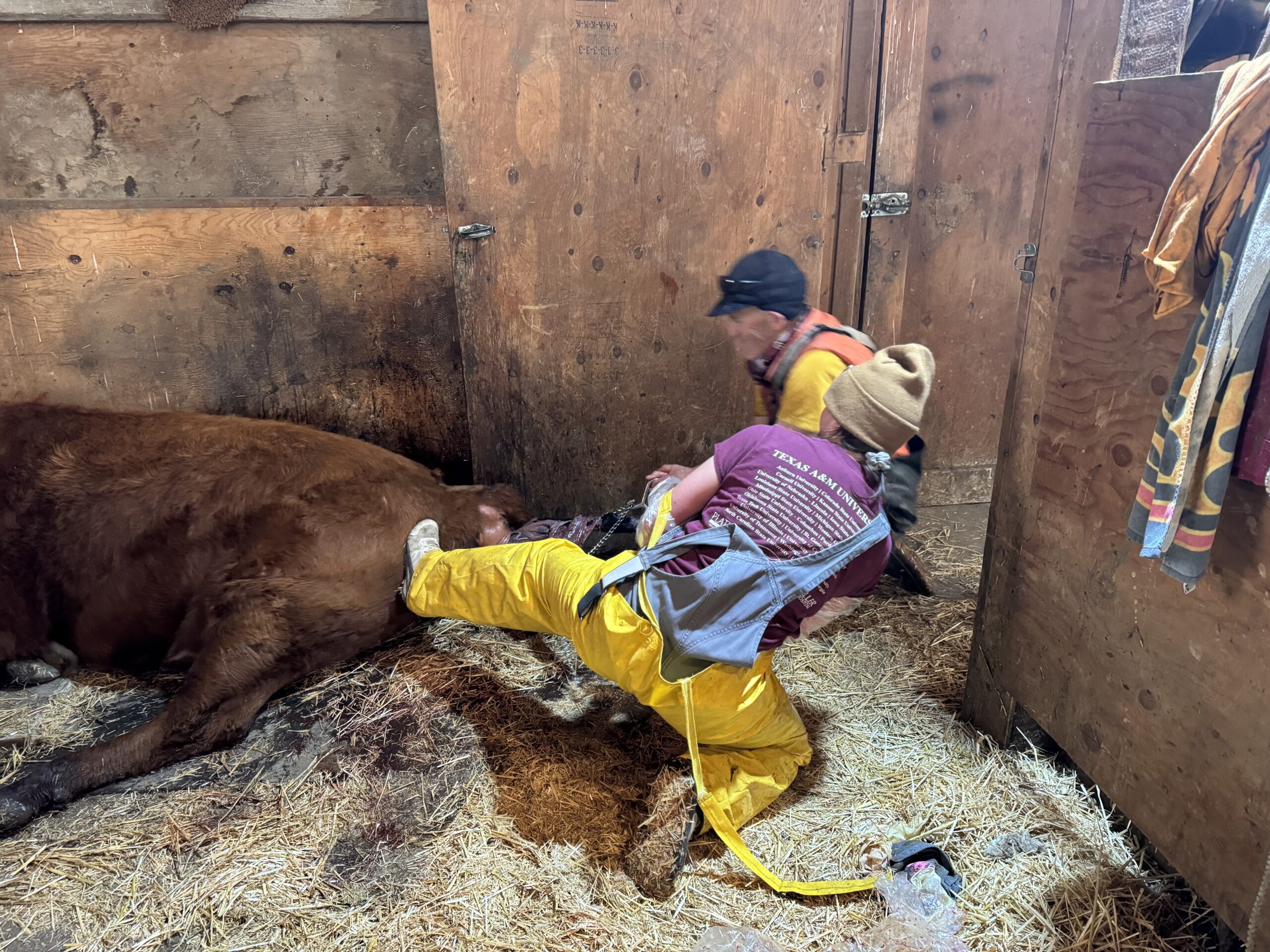
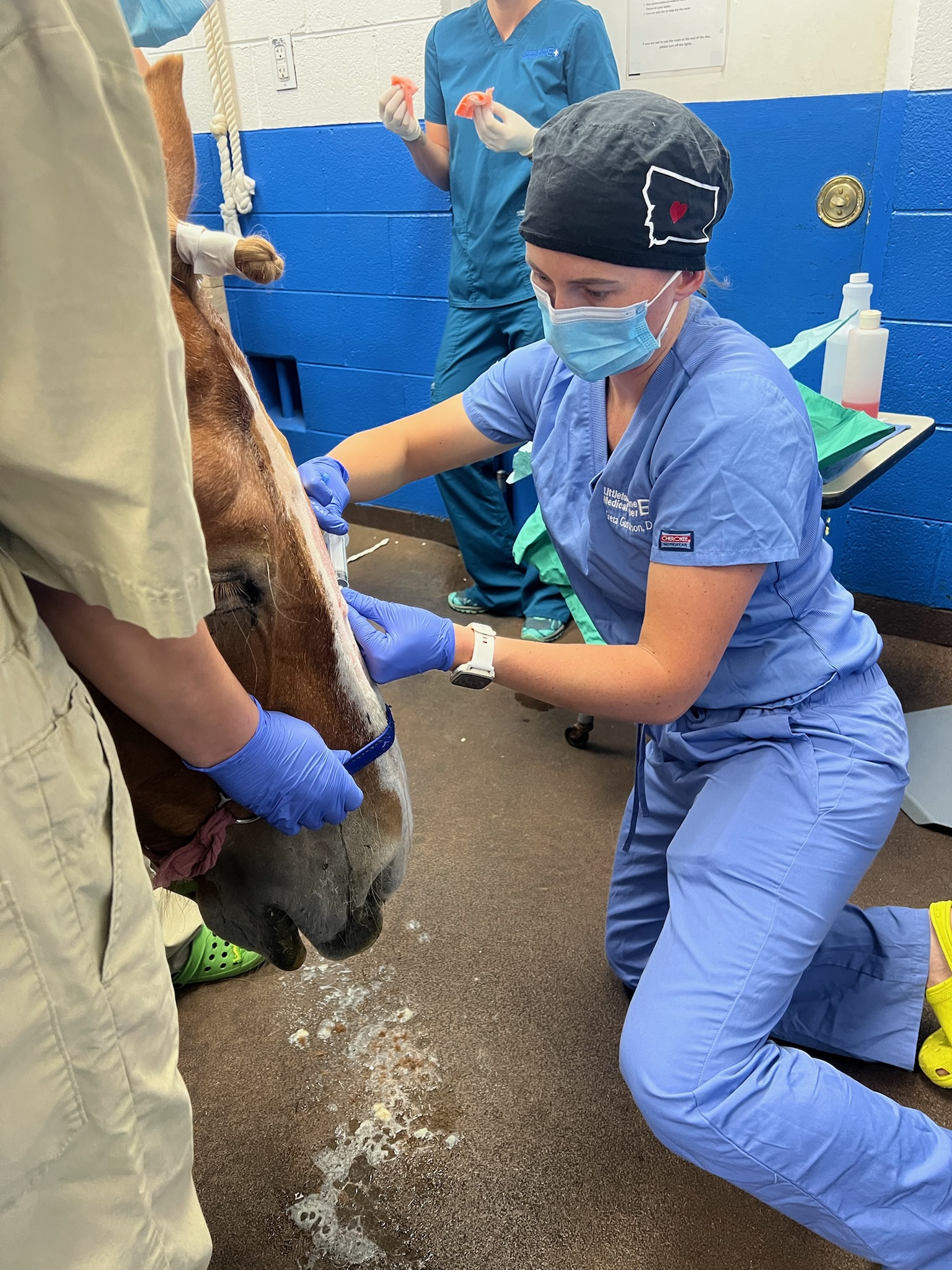
My appreciation for the western lifestyle, the horse, and the people involved with the equine industry grew exponentially as I began participating in 4H, cow cutting, rodeo, barrel racing, and roping. Growing up around production animals, working horses, horses that were considered family, and high-level performance animals has allowed me to understand that they serve many important roles in our lives. I am passionate about providing the highest quality of health care mixed with traditional cultural medicine to my agricultural community. Bringing veterinary medicine to my community and encouraging others to join the field is another passion of mine. I would encourage anyone interested in the field to pursue that passion. It is one full of fulfillment, growth, and companionship with colleagues and clients.
My Why
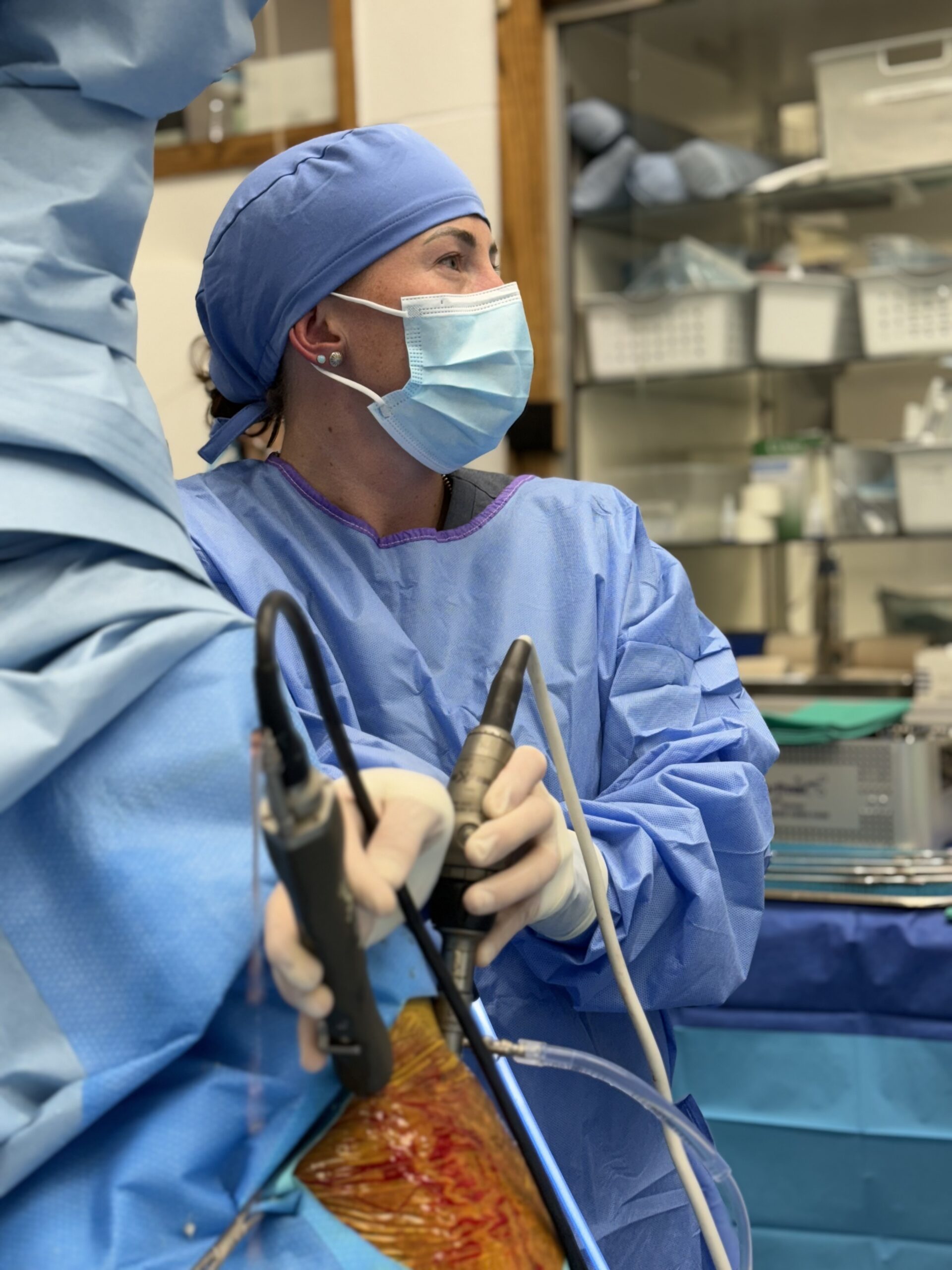
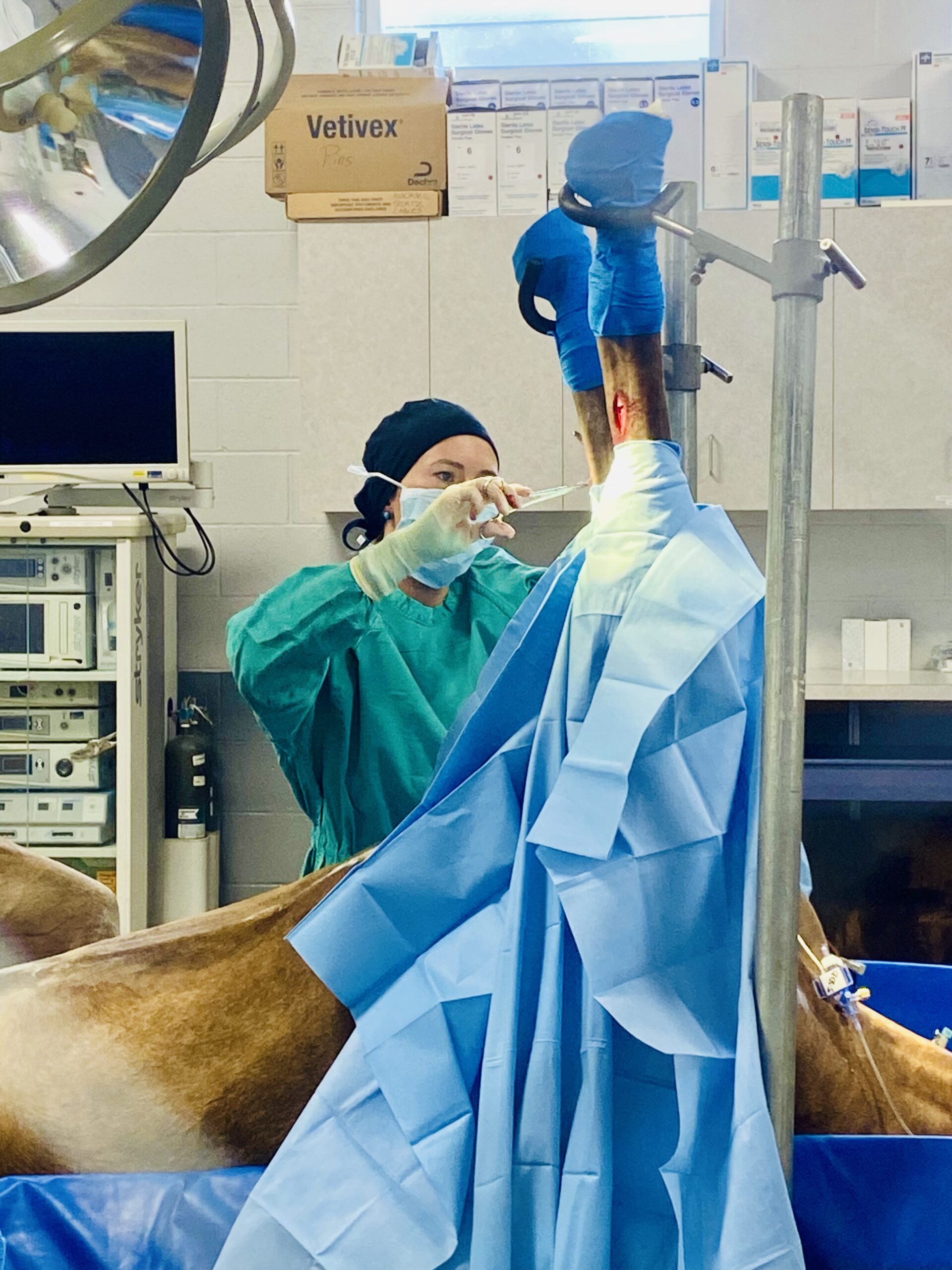
I was raised on the Cross Three Ranch in the wild ranges of the Blackfeet Reservation in the shadow of the Rocky Mountains. As a third-generation large animal veterinarian raised with a “cowboy code of ethics”, humility, tenacity, resolve, and altruism are focal tenants in my career and lifestyle. As a Native American (Amskapi-pikuni), I have always felt a spiritual and familial connection to the horse. This heritage highly influences the diversity I feel is needed in veterinary medicine, and the awareness that healing and medicine can truly be a form of art.
My Research
For my Master’s and Residency research project I am studying using methods of advanced imaging to assess outcomes of surgery performed in small ruminants. The goal of the project is to determine if we can improve our surgical outcomes in treating common conditions such as urinary blockage. This project is important in helping improve health care for small ruminants that will provide benefit producers and owners.
My second project is assessing bone health in different equine populations and how it relates to potential fracture risk. The horse (ponoka imitaa) is an essential partner to the Blackfeet people in many ways including being utilized for assisting agricultural production, economic activities such as relay and rodeo, and companionship. Understanding the health of the horse and it’s musculoskeletal system is essential for the health of the Blackfeet people and the agricultural community.
I plan to have submit my research projects for publication during my academic career at Oregon State University.