TAF scholars dedicate themselves to in-depth, meaningful research aimed at uncovering innovative solutions to some of the most urgent and complex agricultural challenges facing Indian Country. Their work not only addresses immediate agricultural concerns but also fosters a deeper understanding of the intricate relationship between traditional knowledge and modern science. Paving the way for a more sustainable, resilient future in Native agriculture.
Graduate Research
Undergraduate Research & Activities
Kirsten Begay (Navajo)
“Last semester I had the opportunity to work in the Cyclospora Lab, within the Food Safety program at the University of Arizona. We are studying agricultural waters as they are a critical source of contamination for produce during irrigation. Monitoring and identifying C. cayetanensis in these waters is essential to prevent outbreaks, ensure food safety, and protect public health. This research supports our lab’s goal of optimizing detection methods and identifying contamination sources to reduce foodborne illness and improve public health outcomes.”
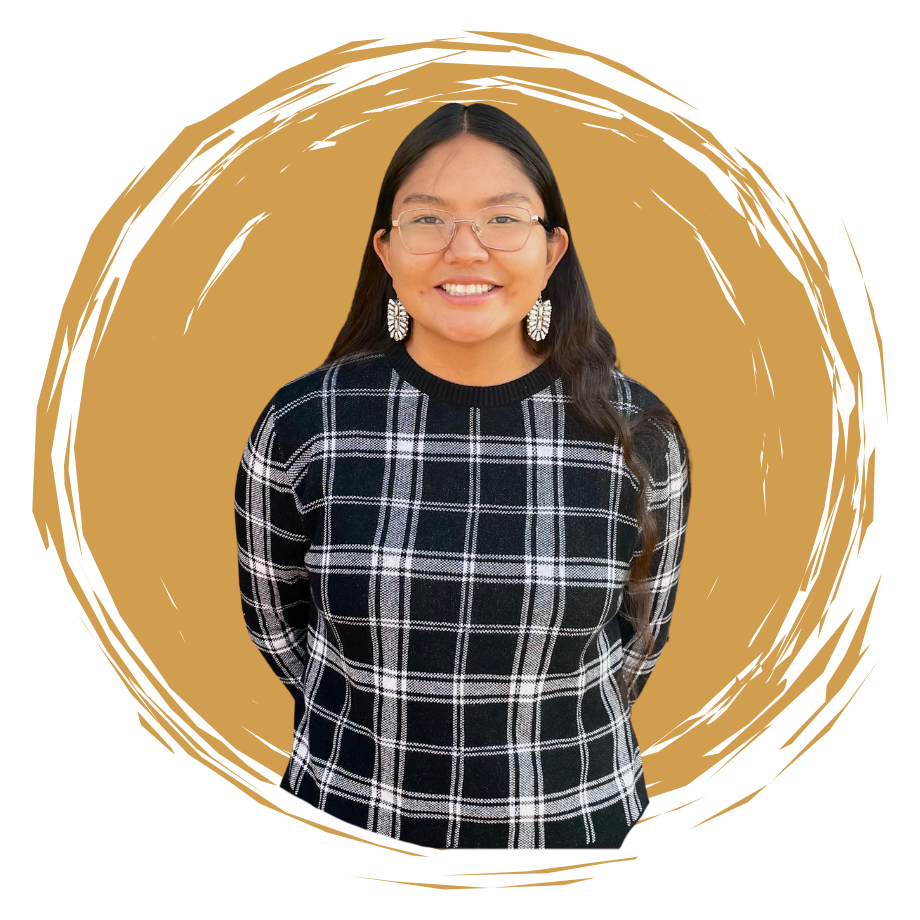
Maddylon Burris (Chickasaw)
“I had the privilege of serving as a judge in the Agricultural Policy division during Oklahoma State University’s annual Collegiate FFA Speech Contest. In this role, I evaluated speeches from FFA members statewide, assessing their understanding of agricultural policy issues, public speaking skills, and ability to engage with complex topics.”
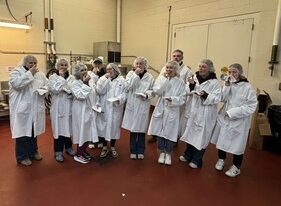
“The picture on the right is from the Robert M. Kerr Food and Agriculture Products Center. As part of my agriculture education class, I had the opportunity to work in a meat lab where I learned how to process and package pork sausage. The hands-on experience taught me about food safety, meat grinding, seasoning, casing, and proper packaging techniques. It was a great way to apply what we learned in class to a real-world setting and better understand the food production process.”
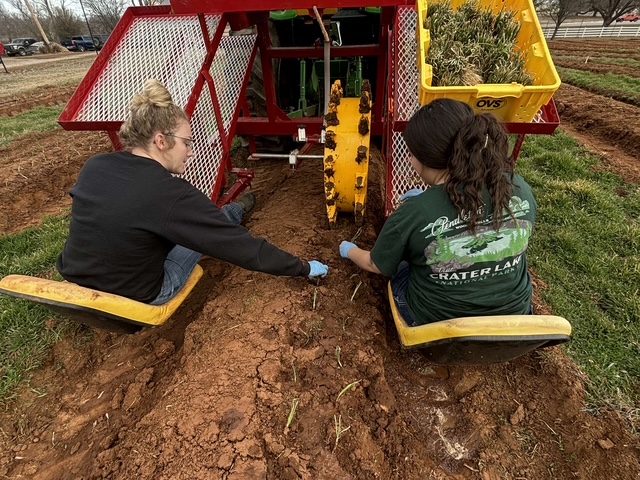
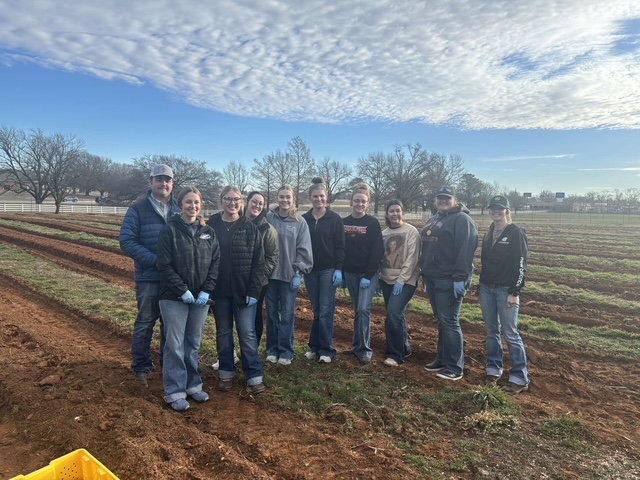
“Through my agriculture education lab at Oklahoma State University, I had the opportunity to gain hands-on experience at the school farm. I participated in hand-planting potatoes, operated a transplanter to plant onions, and helped construct a deer fence to protect crops. This experience deepened my practical knowledge of crop production and farm management.”
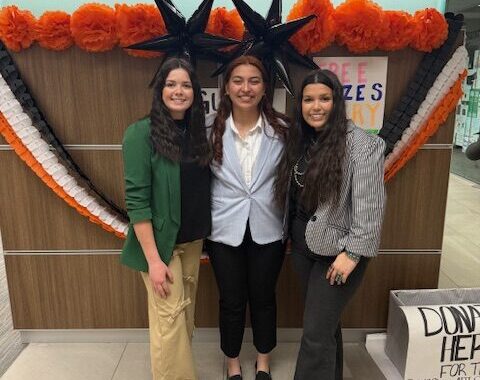
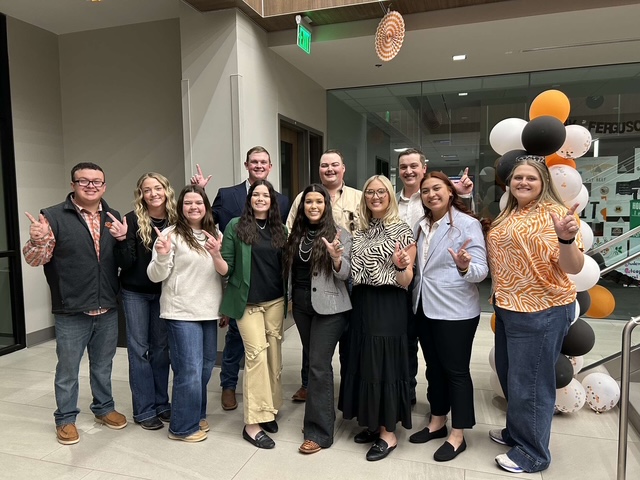
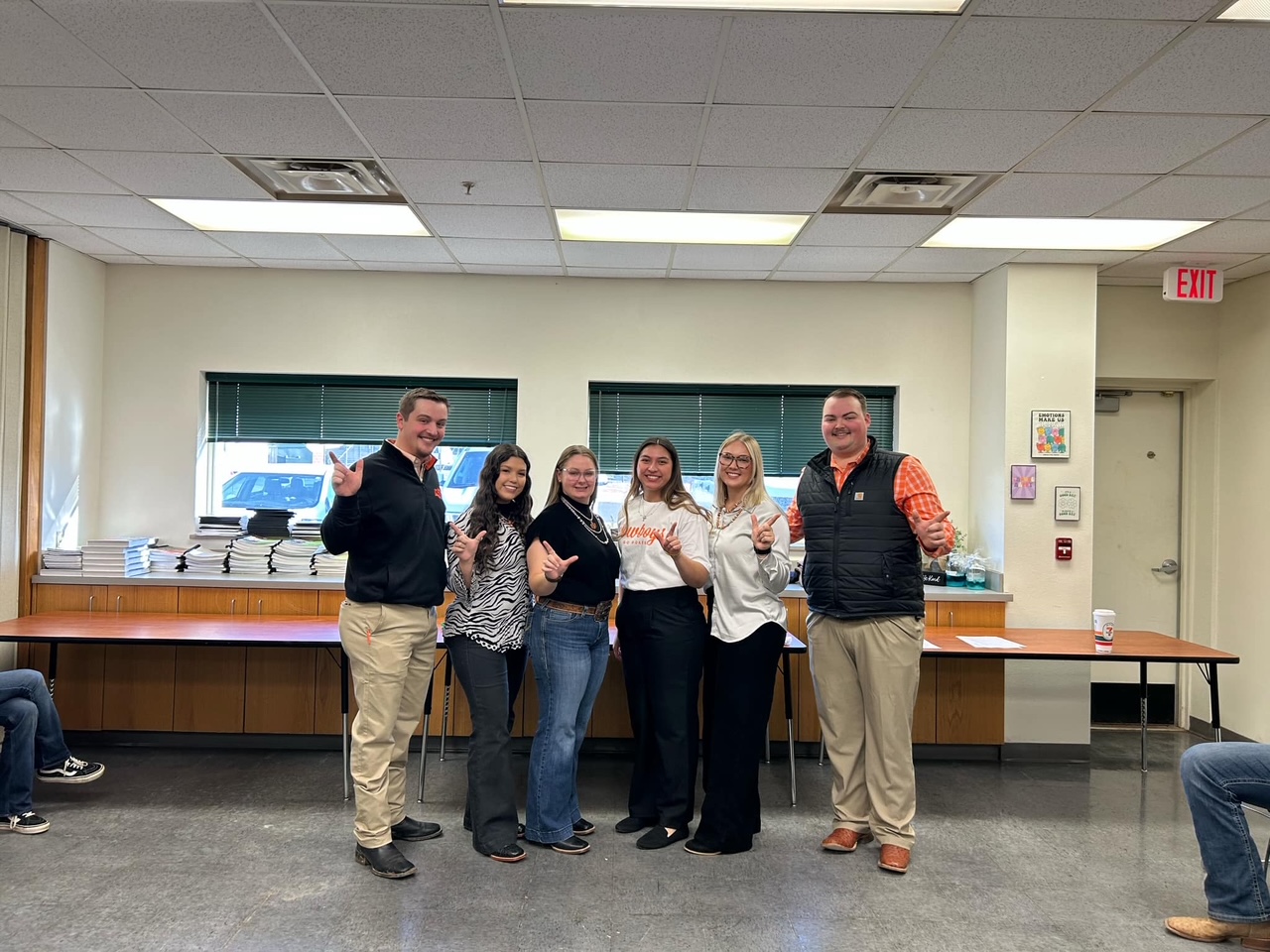
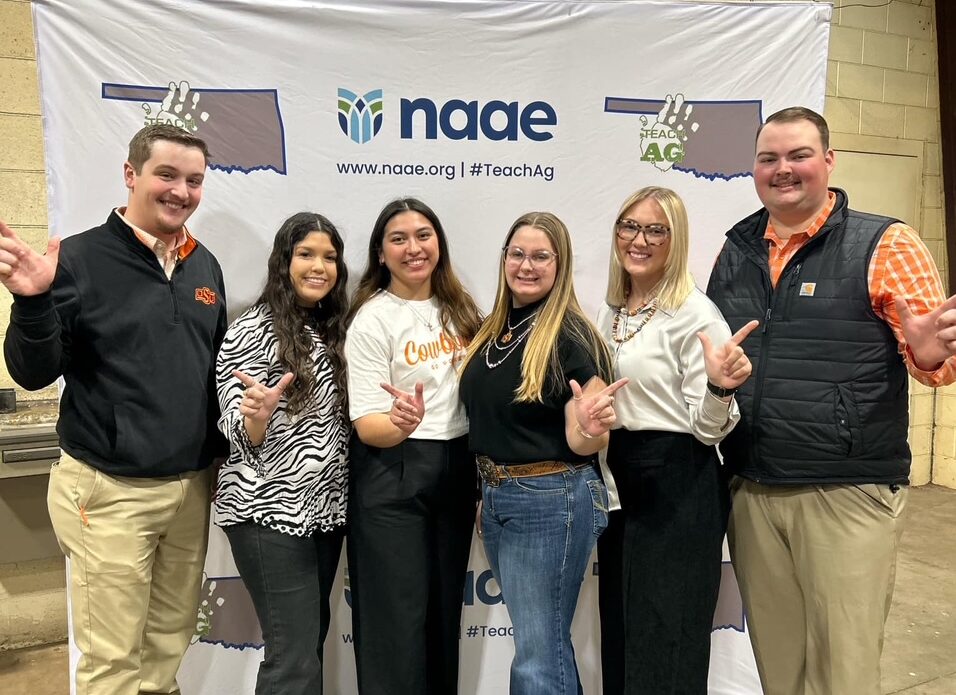
“I had the opportunity to volunteer at NAAE Teach Ag Day in Edmond, Oklahoma, where I led an interactive game room activity. Students acted out skits based on real-life scenarios ag teachers face, such as “messing with the radio on the way to contest,” highlighting the diverse and unique experiences within agricultural education. I also spoke to the entire group about my passion for teaching ag and encouraged them to consider the impactful and rewarding path of becoming an ag educator.”
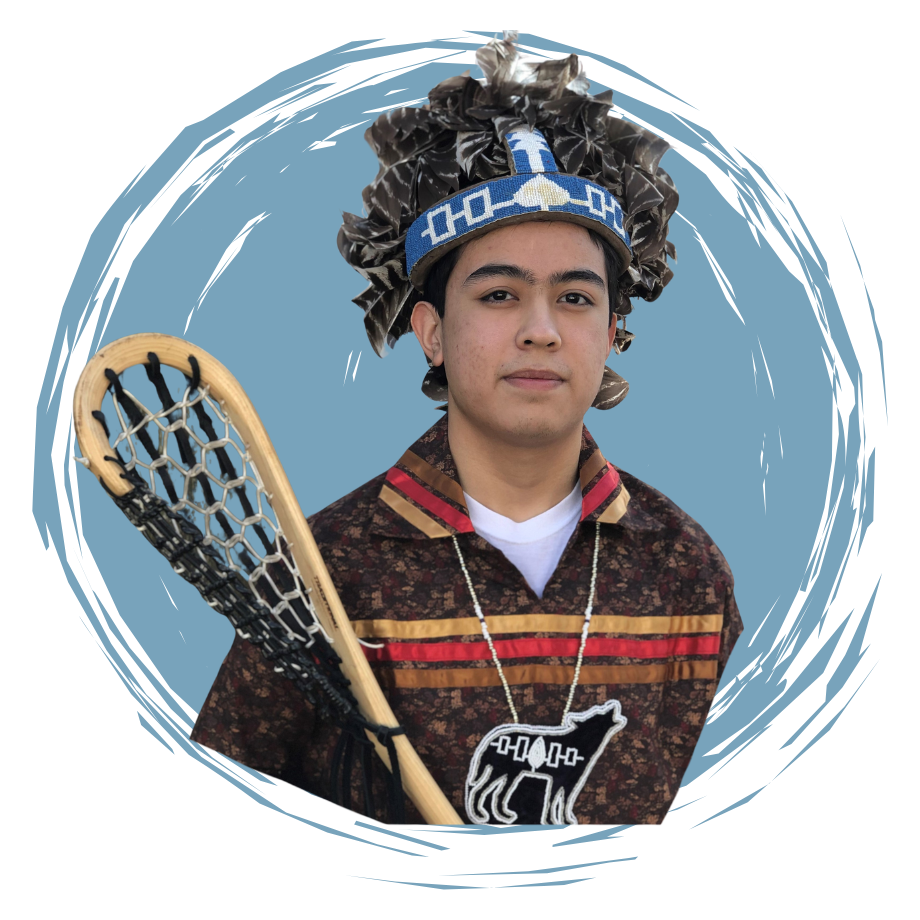
Peter Thais (Saint Regis Mohawk)
Thais, P. (2023). The impacts of dispossession through the Morrill Act of 1862 on Indigenous food systems: Geographical mapping on ArcGIS Pro and data analysis on Julia and R.
Thais, P. (2024). Summer research. Land Grant Universities and Indigenous Food Sovereignty, publication coming soon.